Blog

  • Hyundai Bets $817 Million on Next-Gen Batteries as the Global EV Race Accelerates

    Hyundai Bets $817 Million on Next-Gen Batteries as the Global EV Race Accelerates

    In a week packed with milestones across the automotive world, one headline rises above the rest: Hyundai is investing 1.2 trillion won ($817 million) to secure its place in the next era of electric mobility. The announcement – part of a broader shift toward battery vertical integration – signals how fiercely automakers are competing to control the technologies that will define transportation in the 2030s and beyond.

    As part of The Downshift (TDS), today’s roundup goes deeper into what these developments mean for consumers, the EV market, and industry strategy. Although TDS is usually known for its short and snappy one-liners, this expanded report takes a full journalistic approach to unpack the long-term implications of the week’s most important moves.

    Hyundai’s $817 Million Battery Campus Marks a Turning Point in EV Strategy

    Hyundai Motor Group has confirmed a massive investment into its forthcoming Future Mobility Battery Campus in South Korea – a state-of-the-art facility focused on developing, validating, and stress-testing advanced battery packs before they enter mass production. Unlike traditional research labs built around theory and simulation, this new campus will operate as a real-world test ecosystem where batteries endure the same punishment they would face in everyday driving.
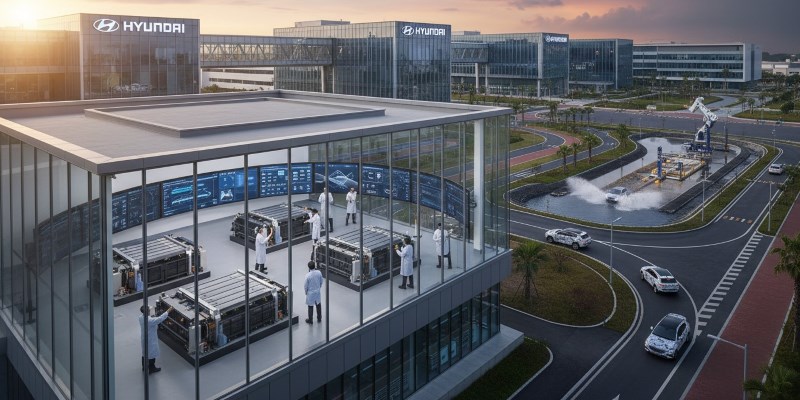
    Hyundai’s Future Mobility Battery Campus will focus on real-world validation of advanced EV battery technologies.
    Hyundai’s Future Mobility Battery Campus will focus on real-world validation of advanced EV battery technologies.

    The automaker says it has already spent several years experimenting with new cell materials, chemistries, and formats, but the new facility finally gives Hyundai the scale needed to evolve beyond conventional lithium-ion approaches. The goal is clear: create safer, more powerful, longer-lasting batteries for EVs, plug-in hybrids, and extended-range electric models.

    This move represents a broader industry trend toward vertical integration. By bringing cell design, pack engineering, and durability validation under one roof, Hyundai reduces its reliance on external suppliers and tightens control over both performance and cost structure. As global competition intensifies – especially from China’s rapidly expanding EV ecosystem – Hyundai is positioning itself to remain resilient.

    For analysts watching EV development cycles, the investment is especially notable because it follows Hyundai’s recent acceleration of electric models like the Ioniq 5 N, Ioniq 6, and the upcoming Ioniq 9. The company has also hinted that next-generation battery tech will help power high-performance platforms and improve charging speeds, energy density, and cold-weather performance – three areas where consumers demand rapid improvement.

    Toyota Teases New Performance Models Ahead of Thursday Reveal

    Toyota also added fuel to the performance EV conversation this week. In a late-November teaser, the company released a dark silhouette image previewing three upcoming models:

    • a new race car expected to compete in the GT3 category,
    • its road-legal counterpart, now believed to carry the name Toyota GR GT,
    • and, for the first time, what appears to be confirmation of a production version of the Lexus Sport Concept.
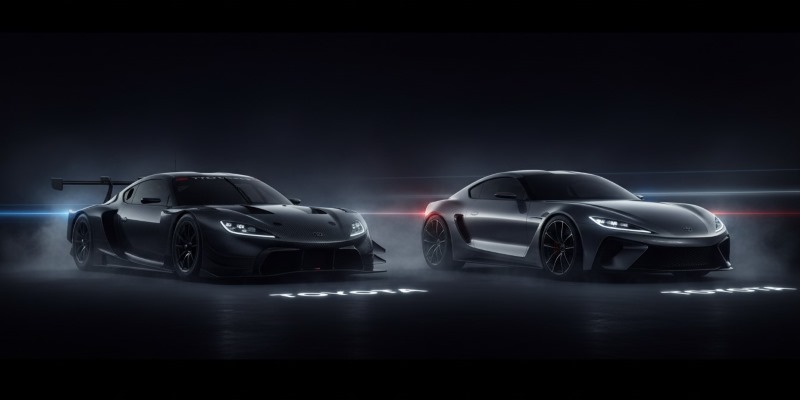
    Toyota previewed upcoming performance models, including a GT3 race car and a road-legal GR variant.
    Toyota previewed upcoming performance models, including a GT3 race car and a road-legal GR variant.

    Toyota’s performance division has been building excitement for months, and the new reveal is scheduled for Thursday at 9 p.m. ET. The global shift toward electrified performance vehicles means Toyota will be working hard to balance brand heritage – especially models tuned by Gazoo Racing – with evolving regulatory pressure.

    Expect a strong showing that blends track capability with road usability, possibly with hybrid or battery-electric drivetrains.

    China Flooding Global Markets With Gas Cars No Longer Wanted at Home

    A new report surfaced this week highlighting a trend that has been quietly building: China’s automakers are exporting a growing number of gas-powered vehicles as consumer demand in their domestic market shifts rapidly toward pure EVs. According to the report, Chinese manufacturers are sending these surplus combustion vehicles abroad at competitive prices, affecting markets across South America, Eastern Europe, Africa, and parts of Asia.
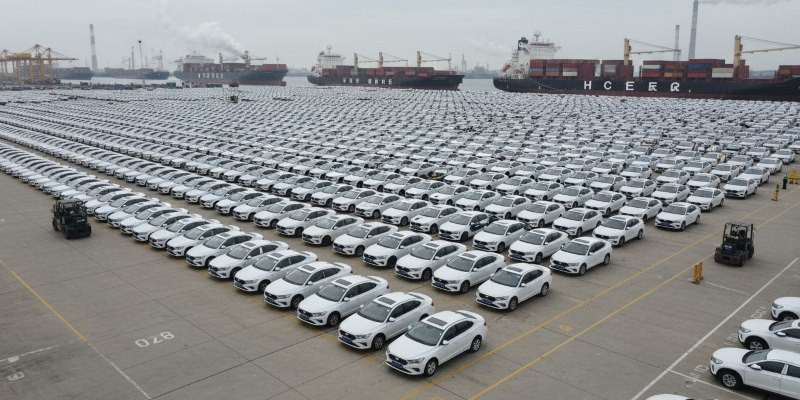
    Chinese automakers are increasing exports of gasoline vehicles as domestic EV adoption accelerates.
    Chinese automakers are increasing exports of gasoline vehicles as domestic EV adoption accelerates.

    The move underscores how dramatically China’s electric transition has reshaped its internal market. As EV adoption accelerates, traditional ICE inventory faces diminishing appeal domestically – leaving export as the most viable route for automakers aiming to protect revenue.

    For global competitors, the influx of low-cost gasoline cars threatens to reshape pricing dynamics, especially in emerging markets where EV infrastructure remains limited. It’s a reminder of how interconnected – and vulnerable – global auto supply chains have become.

    Mercedes-Benz Drops New Teasers for the G-Class Cabriolet

    Mercedes-Benz generated buzz with two new images teasing the next G-Class Cabriolet, a rare variant combining the off-road heritage of the iconic G-Wagen with open-air luxury. The teasers show subtle body contours and a convertible roofline, hinting at familiar boxy proportions but potentially lighter construction and updated aerodynamics.

    The G-Class Cabriolet has long been a niche favorite among collectors, and the return of an open-top version will likely draw strong interest from enthusiasts and luxury buyers. Mercedes continues leveraging nostalgia while modernizing the lineup with EV options like the Mercedes EQG, expected in the near future.
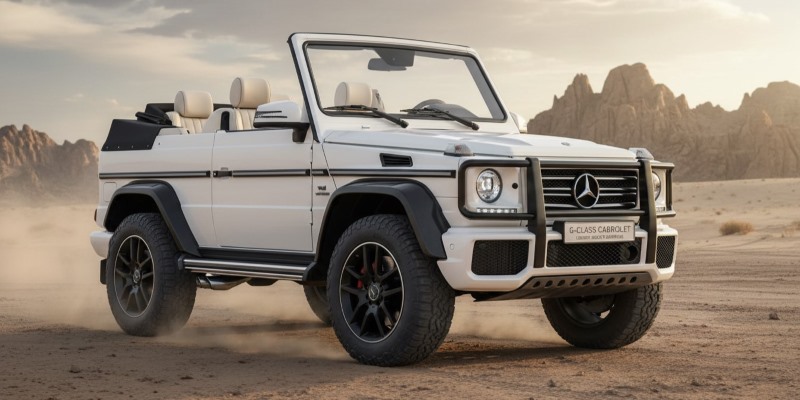
    Mercedes-Benz teased the return of the G-Class Cabriolet, blending off-road heritage with open-air luxury.
    Mercedes-Benz teased the return of the G-Class Cabriolet, blending off-road heritage with open-air luxury.

    Bridgestone Prepares to Launch the Potenza RE-71RS Successor on New Year’s Eve

    Performance drivers received welcome news as Bridgestone announced the next-generation successor to its Potenza RE-71RS – a beloved tire among autocross and track-day communities. Launching on New Year’s Eve, the upgraded model promises improved grip, faster heat cycles, and enhanced durability for both amateur and professional motorsports.

    The Potenza line carries significant weight in the performance landscape, and the arrival of a successor underscores the tire industry’s growing focus on high-performance driving even as electrification reshapes vehicle dynamics.
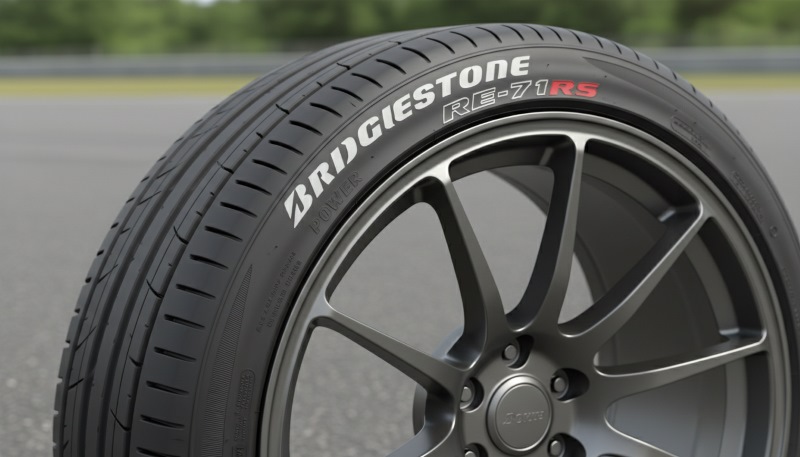
    Bridgestone is launching a successor to its popular Potenza RE-71RS performance tire.
    Bridgestone is launching a successor to its popular Potenza RE-71RS performance tire.

    Nissan Recalls 42,000 Sentras Over Windshield Defect

    Nissan issued a recall affecting nearly 42,000 Sentra models after discovering defective windshields that may contain visible air bubbles within the laminated glass. While the flaw does not pose an immediate safety risk, bubbles can impair visibility and reduce windshield structural integrity.

    Owners will receive notice with instructions for free inspection and replacement at authorized service centers. The recall adds to a series of quality-control challenges Nissan has faced throughout the year, highlighting the industry-wide pressure to maintain durability as supply chains and production cycles continue to fluctuate.
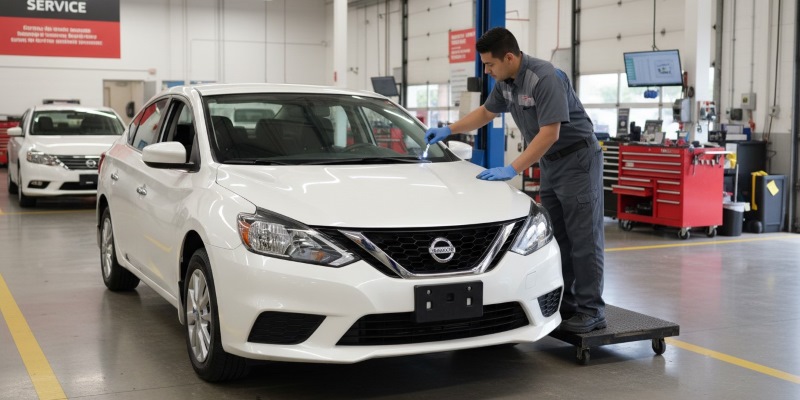
    Nissan is recalling nearly 42,000 Sentras over potential windshield defects.
    Nissan is recalling nearly 42,000 Sentras over potential windshield defects.

    Hyundai Partners With PEANUTS for New In-Car Digital Experiences

    Hyundai also made headlines for a more playful reason: a new collaboration with PEANUTS that brings beloved characters such as Snoopy, Charlie Brown, and Woodstock to the infotainment systems of select models including the Ioniq 9 and Palisade. The animated themes and screen visuals aim to elevate in-car personalization and appeal to families.

    As automotive UX becomes a major differentiator – especially in EVs – automakers are experimenting with partnerships that blend entertainment, nostalgia, and digital brand identity.
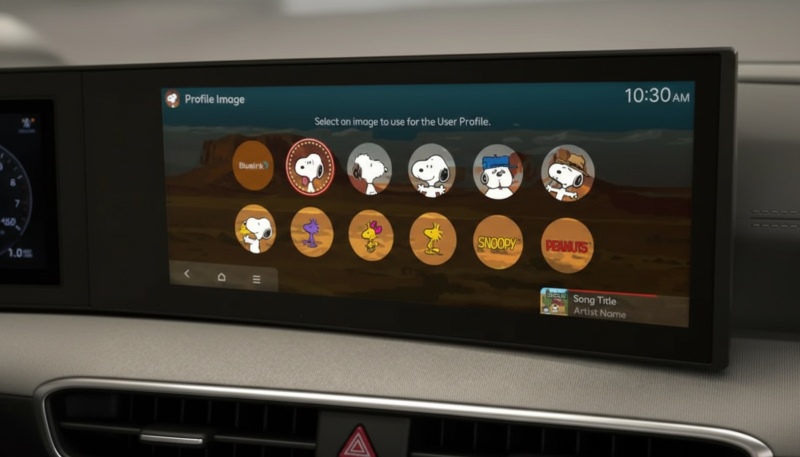
    Hyundai introduces PEANUTS-themed digital interfaces for select models to enhance in-car personalization.
    Hyundai introduces PEANUTS-themed digital interfaces for select models to enhance in-car personalization.

    Kia Previews the 2027 Seltos With a Fresh Design

    Kia offered a first look at the 2027 Kia Seltos, suggesting a design overhaul that sharpens the small SUV’s exterior lines and modernizes the cabin. The preview comes ahead of an expected full debut, with early impressions pointing toward improved aerodynamics, updated LED lighting, and expanded tech features.

    The Seltos continues to be one of Kia’s strongest global sellers, and updating it for 2027 signals the brand’s commitment to keeping popular models competitive amid fierce compact SUV demand.
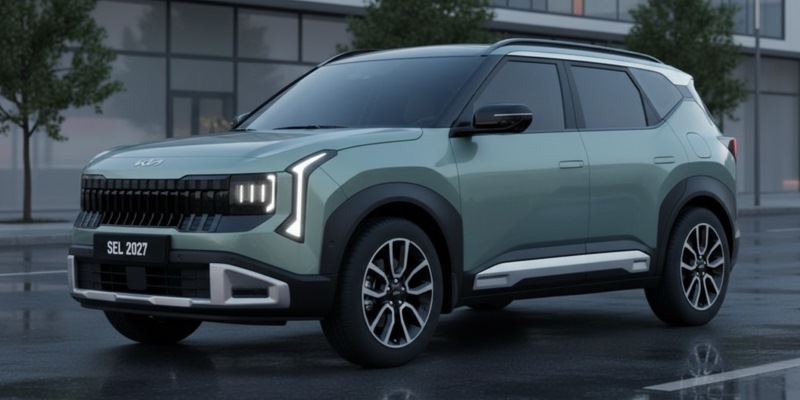
    Kia previewed the redesigned 2027 Seltos with updated styling and technology.
    Kia previewed the redesigned 2027 Seltos with updated styling and technology.

    Electric Porsche Cayenne Proves More Capable Than Its Gas Counterpart

    In an unexpected twist, the Porsche executive overseeing the Cayenne lineup said the upcoming electric Porsche Cayenne is more capable off-road than its gasoline-powered predecessor. He added that the EV version had recently towed a Porsche boat more than 150 miles on a single charge, underscoring Porsche’s focus on torque delivery and battery efficiency.

    This aligns with a broader automotive theme: EVs often outperform expectations when it comes to towing and off-road control, thanks to instant torque, precise traction management, and low center of gravity.
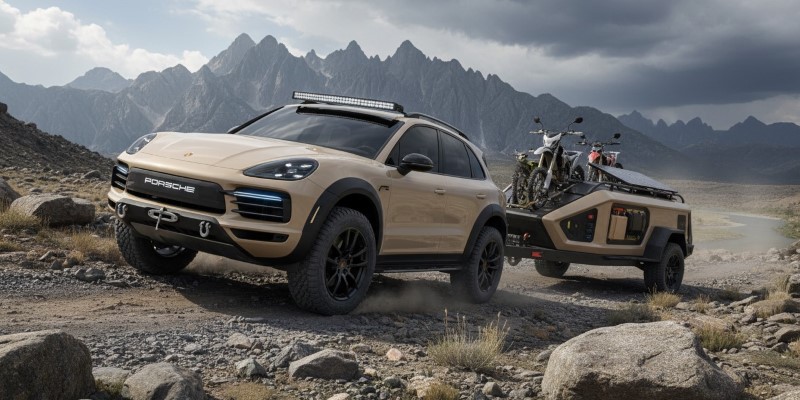
    The upcoming electric Porsche Cayenne is said to outperform its gasoline predecessor in off-road capability and towing.
    The upcoming electric Porsche Cayenne is said to outperform its gasoline predecessor in off-road capability and towing.

    Porsche Revives Classic Fabrics for Restoration Enthusiasts

    Porsche also announced the return of several iconic interior fabrics – Pasha, tartan, and Pepita – for customers restoring classic models. These retro materials are reproduced using modern manufacturing techniques, offering enthusiasts the chance to bring originality back to their vehicles while maintaining durability.

    The move reflects rising demand within the heritage restoration market, where OEM-quality materials are highly valued.
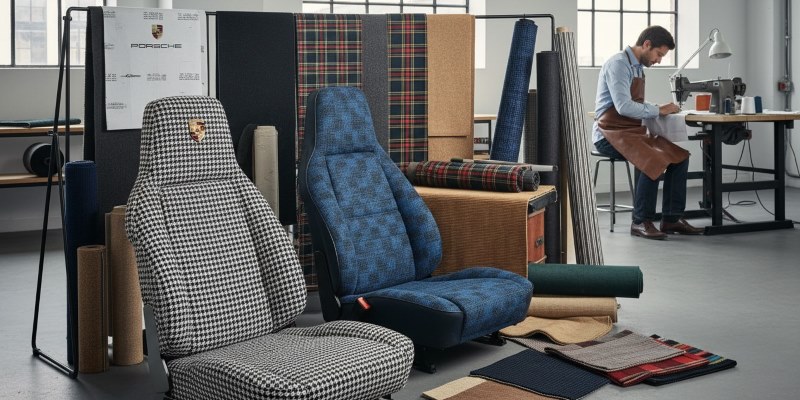
    Porsche is reintroducing iconic heritage fabrics for classic car restorations.
    Porsche is reintroducing iconic heritage fabrics for classic car restorations.

    Final Thoughts

    This week’s headlines paint a clear picture of the auto industry’s trajectory: a rapid push toward electrification, vertical integration, and technology-driven differentiation. Hyundai’s $817 million battery investment is more than a corporate strategy – it’s a declaration of intent in a world where battery leadership equals market leadership. Meanwhile, brands like Toyota, Volkswagen, Mercedes, and Porsche are redefining performance, capability, and design in the EV era.

    As global markets shift, supply chains evolve, and technology advances, the automakers who take bold steps today will likely shape the future of mobility for the next decade.
  • Why Didn’t I Think of the Flip-Up Truck Bed Cap? Black River’s Matrix Line Reimagines Pickup Utility

    Why Didn’t I Think of the Flip-Up Truck Bed Cap? Black River’s Matrix Line Reimagines Pickup Utility

    For years, the Ford Raptor has dominated conversations about off-road performance, capability, and brand identity. And with Ford’s rapid push toward electrification, a natural question hangs over the future of the lineup: what happens to the legendary Raptor in a fully electric era? As emissions rules tighten and EV innovation accelerates, the idea of a hardcore electric Raptor is no longer theoretical-it’s a path the brand will inevitably explore.

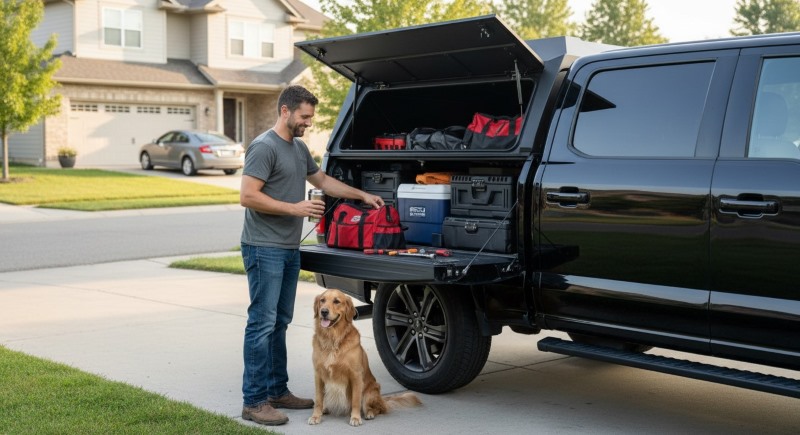
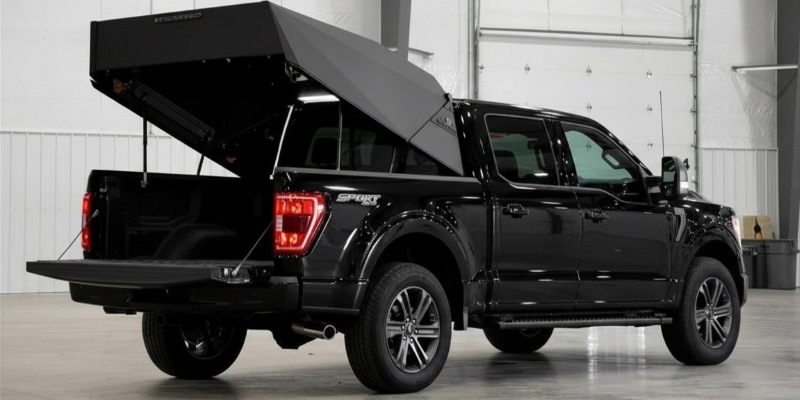
    But even in an industry obsessed with long-term trends like electrification, there are still moments where a product comes out of nowhere and instantly feels like it should have existed a decade ago. That was exactly my reaction when I encountered the Matrix flip-up truck bed toppers from Black River. These are not ordinary truck caps. They tilt upward like a giant clamshell, giving something pickup owners rarely get: true 360-degree access to their cargo. It’s the kind of idea that seems obvious once you’ve seen it, but distinct enough to carve a real niche in a heavily saturated truck accessories market.

    And after studying the specs, the construction details, and the usability features, one question kept resurfacing-why didn’t anyone think of this sooner?

    A Familiar Concept Rebuilt From the Ground Up

    Truck bed toppers have been around for decades, built in everything from steel and fiberglass to aluminum and composite materials. Their function has always been simple: secure the bed, keep gear dry, and add an extra layer of protection. But the Matrix lineup approaches the concept with a fundamentally different philosophy.

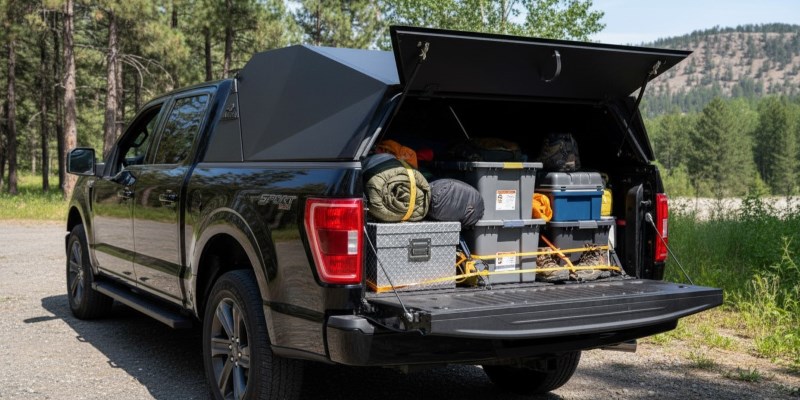
    Instead of relying on small side windows, sliding panels, or rear hatch access, the entire top panel of the Matrix flips upward. In practice, this transforms the truck bed into something closer to a massive lockable cargo vault, rather than just an enclosed space with limited reach points.

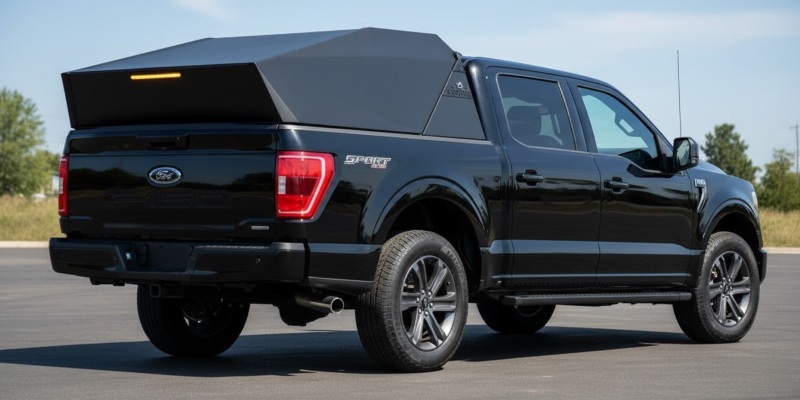
    Built from automotive-grade aluminum, the Matrix truck bed cap rethinks traditional toppers with a full flip-up clamshell design.
    Built from automotive-grade aluminum, the Matrix truck bed cap rethinks traditional toppers with a full flip-up clamshell design.

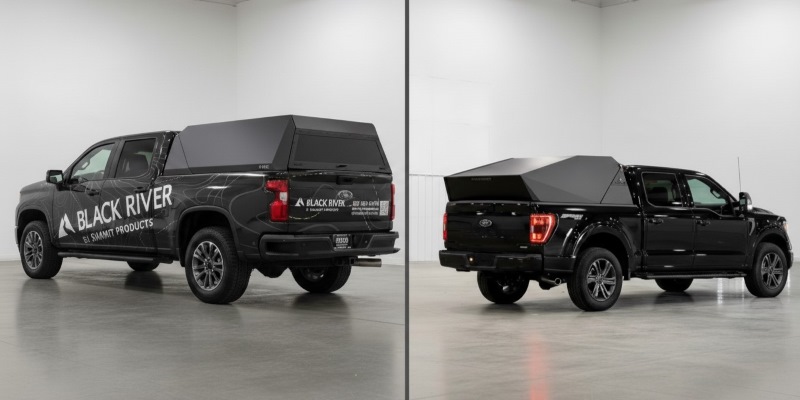
    Black River offers the Matrix in three configurations-GT, ST, and XL. Each is designed around different priorities:

    • Matrix GT: daily drivers and light overlanding
    • Matrix ST: angular styling and a more adventurous silhouette
    • Matrix XL: heavy-duty trucks with long beds needing maximum storage volume

    Despite their aesthetic differences, all three share foundational traits:
    .063 automotive-grade aluminum, reinforced hardware, a weather-tight design, and an emphasis on simplicity and durability.

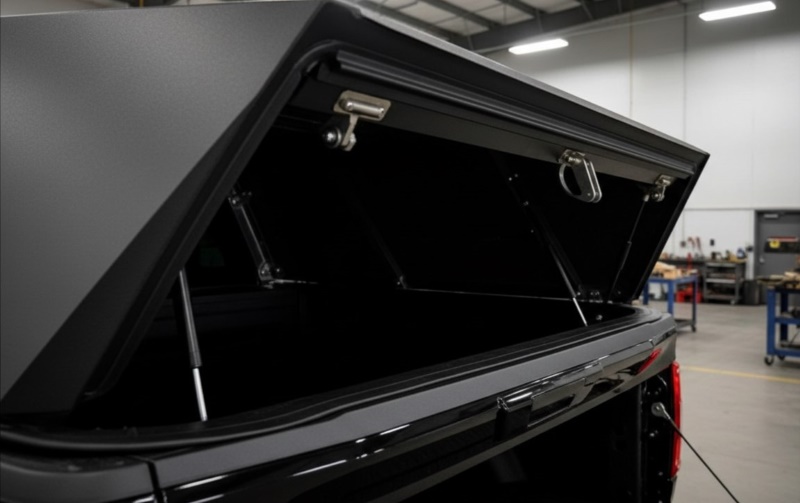
    The lids open using cab-mounted struts, allowing users to lift the top even with gear inside. When it’s time to close it, a simple pull strap makes the process easy. For truck owners craving convenience, Black River also offers a power-assist up/down kit, adding an almost luxury-SUV level of functionality.

    While modern toppers often lean heavily on styling, the Matrix line focuses squarely on real-world usability-and still manages to look sharp doing it.

    Storage Volumes That Rival SUV Cargo Space

    Perhaps the most surprising part of the Matrix product line is the sheer amount of enclosed space it provides. Pickup owners rarely get to compare their bed capacity directly to the interior cargo volume of SUVs, but the Matrix makes that comparison not only possible but genuinely impressive. Here’s the breakdown:

    • Matrix GT: 105–120 cubic feet
    • Matrix ST: 105–120 cubic feet
    • Matrix XL: 138 cubic feet
    With up to 138 cubic feet of enclosed storage, the Matrix XL rivals full-size SUV cargo capacity.
    With up to 138 cubic feet of enclosed storage, the Matrix XL rivals full-size SUV cargo capacity.

    To put that into perspective, a Ford Expedition with its rear seats folded flat provides 108.5 cubic feet of cargo volume. The extended Expedition Max stretches that to 123.1 cubic feet.

    That means a pickup fitted with a Matrix topper can out-store some of the largest SUVs on the market-while maintaining weather protection, security, lockability, and access flexibility that SUVs can’t match.

    This kind of capacity appeals not just to contractors moving tools or equipment, but also to overlanding enthusiasts, hunters, weekend adventurers, and even homeowners transporting bulky items. A traditional topper can feel restrictive, with access limited to a rear hatch or small windows. The Matrix’s flip-up system dramatically increases how usable the storage space becomes.

    Crafted for Functional Use-Beyond Just Aesthetic Appeal

    Many toppers look rugged but struggle under the realities of everyday use. Black River seems to understand that truck owners want more than just a steel or aluminum box-they want something engineered for actual work. A few notable design decisions stand out:

    No side windows

    This is deliberate. Windows make gear visible-and therefore vulnerable. Eliminating them increases security and reduces break-in risk, something many overlanders and contractors worry about.

    Window-free panels and OEM lock integration make the Matrix topper a secure and practical upgrade for daily truck use.
    Window-free panels and OEM lock integration make the Matrix topper a secure and practical upgrade for daily truck use.

    Factory lock integration

    The Matrix locks directly with the truck’s OEM locking system. Owners don’t need padlocks, aftermarket bolts, or improvised solutions.

    Lightweight construction

    Despite their size, these toppers aren’t back-breakers:

    • GT and ST: 120–130 lbs
    • XL: 180 lbs

    Two adults can remove the GT or ST without special equipment. The XL requires more care, but its weight is still low considering its massive size.

    Thoughtful details

    A smoked third brake light, durable seals, and reinforced struts round out the engineering choices that make the Matrix more than a flashy idea. They make it reliable.

    This is a topper designed for real-world daily use, not just product photos.

    A Natural Fit for Overlanding and Adventure Builds

    Interest in overlanding gear has skyrocketed. Truck owners want functional, durable, minimalistic accessories that enhance outdoor capability without unnecessary frills. The Matrix topper fits perfectly into that ecosystem.

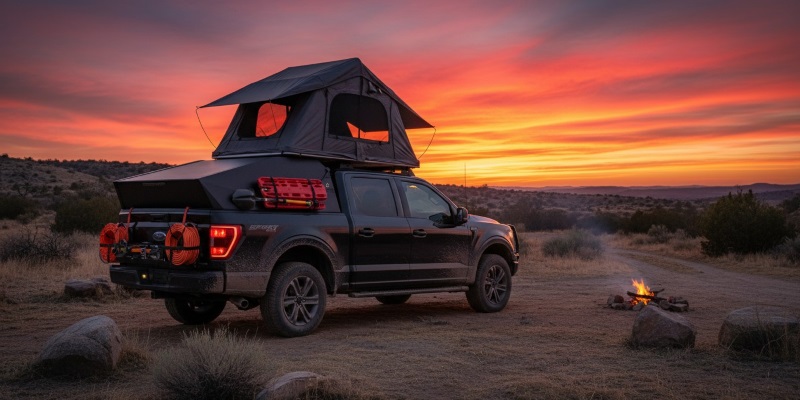
    Lightweight aluminum construction makes the Matrix flip-up topper ideal for overlanding and adventure builds.
    Lightweight aluminum construction makes the Matrix flip-up topper ideal for overlanding and adventure builds.

    Its aluminum body keeps weight manageable-important when factoring in rooftop tents, recovery gear, or water systems. Its flip-up lid remains accessible even when overlanding gear is stacked around the truck. And by ditching the vulnerable side windows, it avoids one of the biggest problems overlanding shells face: break-ins at campsites or rest stops.

    For anyone who values stealth, durability, simplicity, and security, the Matrix is a compelling upgrade.
    Costing That Mirrors Its High-Quality Build

    High-quality toppers are rarely cheap. With the Matrix line, pricing starts at:

    • GT and ST: $4,195
    • XL: $5,195

    Comparable fiberglass toppers often fall between $2,500 and $4,000 depending on options. Premium aluminum caps, especially those built for commercial or heavy-duty use, typically command even higher prices.

    Given the Matrix’s lift-assist mechanism, build quality, and engineering, the pricing falls squarely within the upper tier of the market-yet still competitive for what the product delivers.

    The Black River Matrix lineup ranges from $4,195 to $5,195, positioning it in the premium truck accessory segment.
    The Black River Matrix lineup ranges from $4,195 to $5,195, positioning it in the premium truck accessory segment.

    Black River notes that most truck models are supported, although some configurations-such as Ram trucks with the RamBox system-are incompatible.
    A Simple Idea Solving a Universal Truck Problem

    What makes the Matrix topper particularly compelling is that it isn’t solving a niche complaint. It’s addressing the two biggest problems truck owners have had for decades:
    1. Not enough secure storage
    2. Difficult access to gear inside the bed

    Instead of reinventing the truck bed, Black River simply rethought how owners interact with it. And sometimes, that’s exactly what drives innovation in the truck accessory world.

    Even casual truck owners carrying luggage, groceries, or DIY supplies can appreciate the convenience of lifting an entire topper flap to reach their gear without climbing into the bed.

    This is utility refined-not complicated.

    By allowing full lift-up access, the Matrix topper solves two long-standing truck bed issues: storage security and accessibility.
    By allowing full lift-up access, the Matrix topper solves two long-standing truck bed issues: storage security and accessibility.

    Final Thoughts

    In a market filled with accessories that prioritize style over function, the Black River Matrix toppers offer a refreshing alternative: a product that genuinely enhances what a pickup truck can do. It merges the enclosed practicality of an SUV with the open cargo flexibility of a truck, all while maintaining durability, simplicity, and thoughtful engineering.

    And the more you look at it, the more you wonder why a concept this practical took so long to reach the mainstream. It’s smart, it’s functional, and it feels like a solution destined to stick around.

    Sometimes the best innovations aren’t the flashy ones-they’re the ideas that instantly make you say:
    “Why didn’t I think of that?”

  • Audi R26: Minimalist Design Makes a Bold Statement for F1 Debut

    Audi R26: Minimalist Design Makes a Bold Statement for F1 Debut

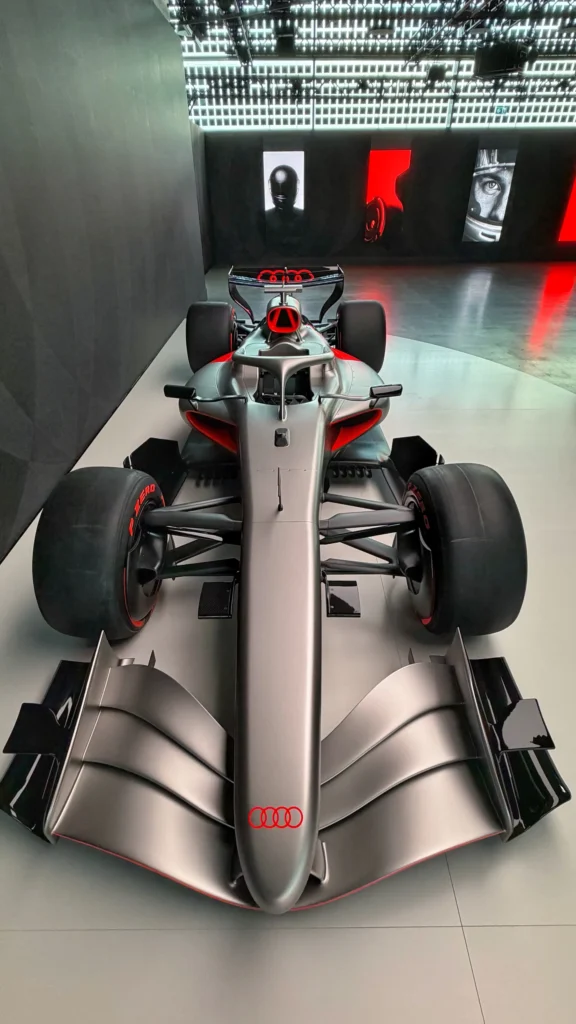
    Audi is entering Formula 1 with a car that proves simplicity can be stunning. Its first F1 contender, the Audi R26, was revealed in Munich ahead of the official livery launch in January 2026, and it already stands out for its clean, purposeful design. While most F1 liveries rely on horizontal stripes to accentuate curves, Audi opted for a minimalist aesthetic that makes a strong visual impact on the grid.

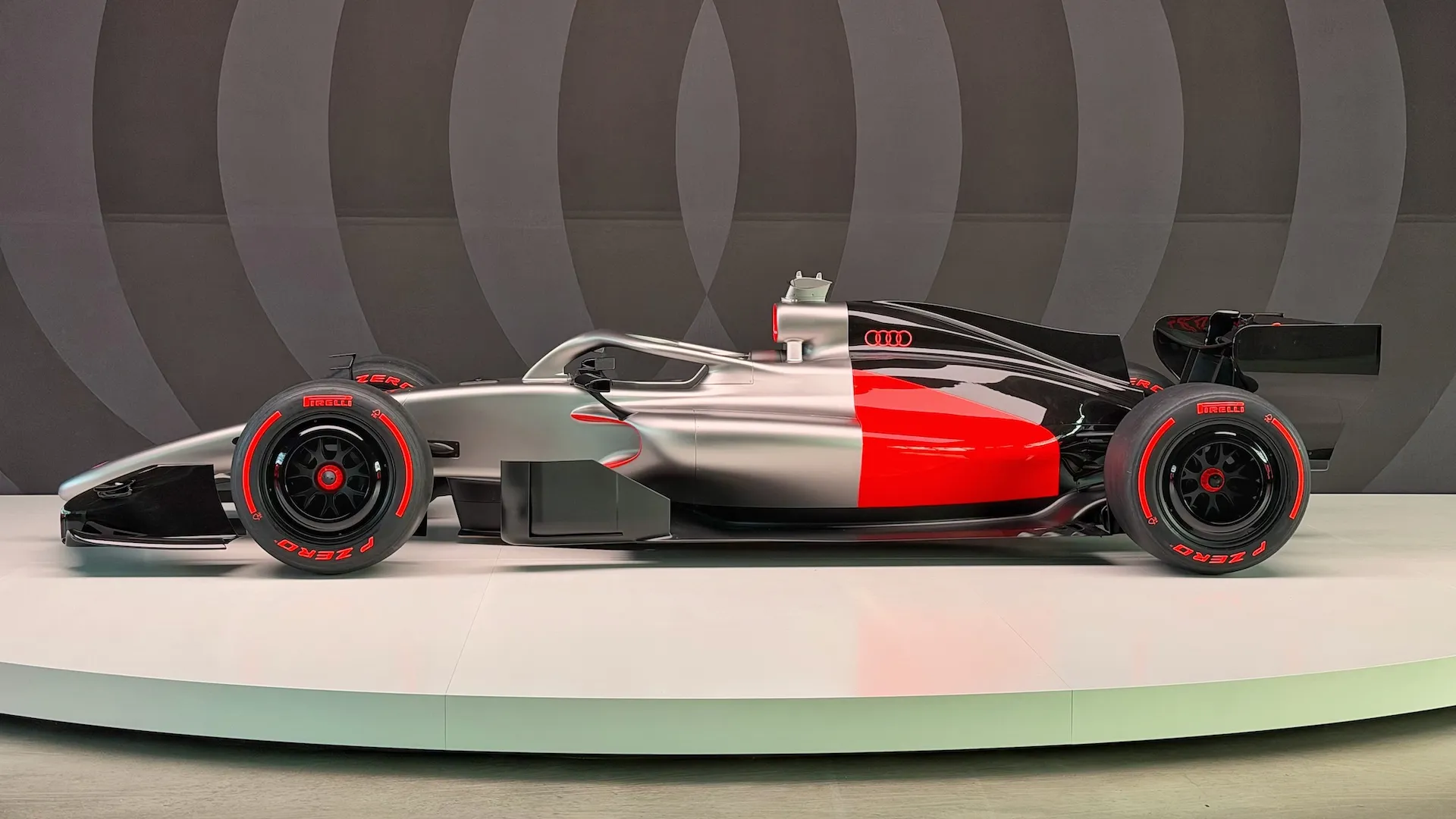
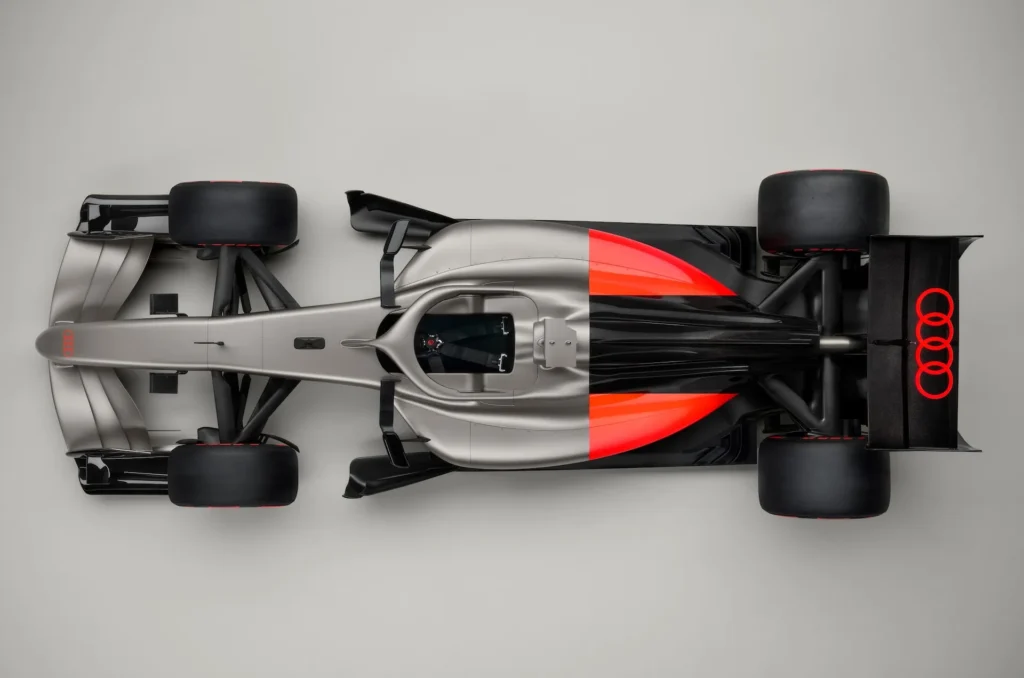
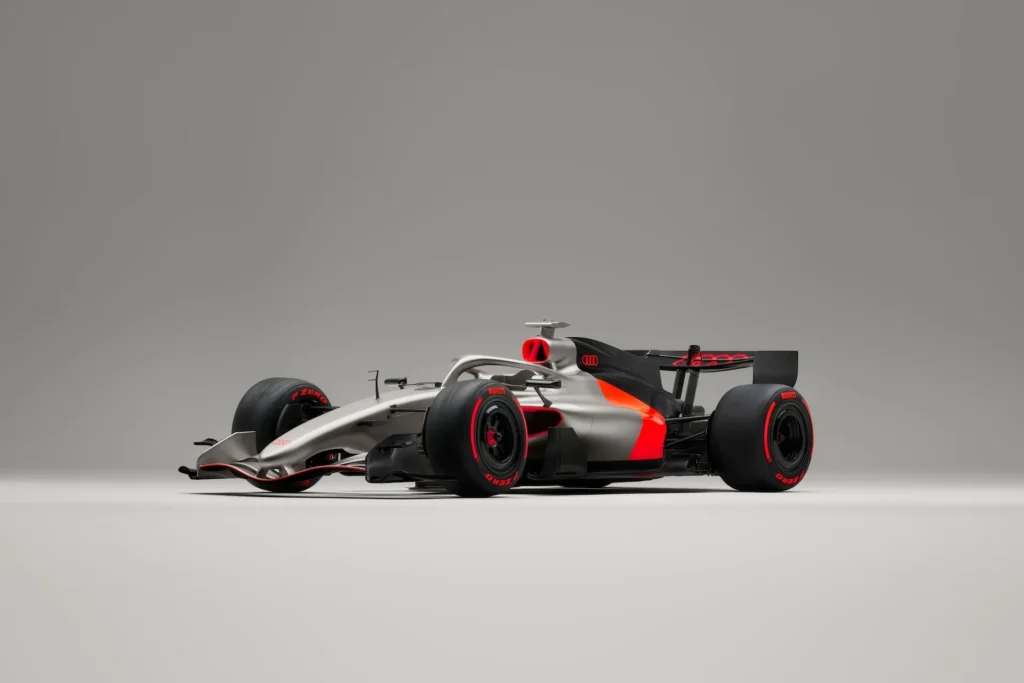
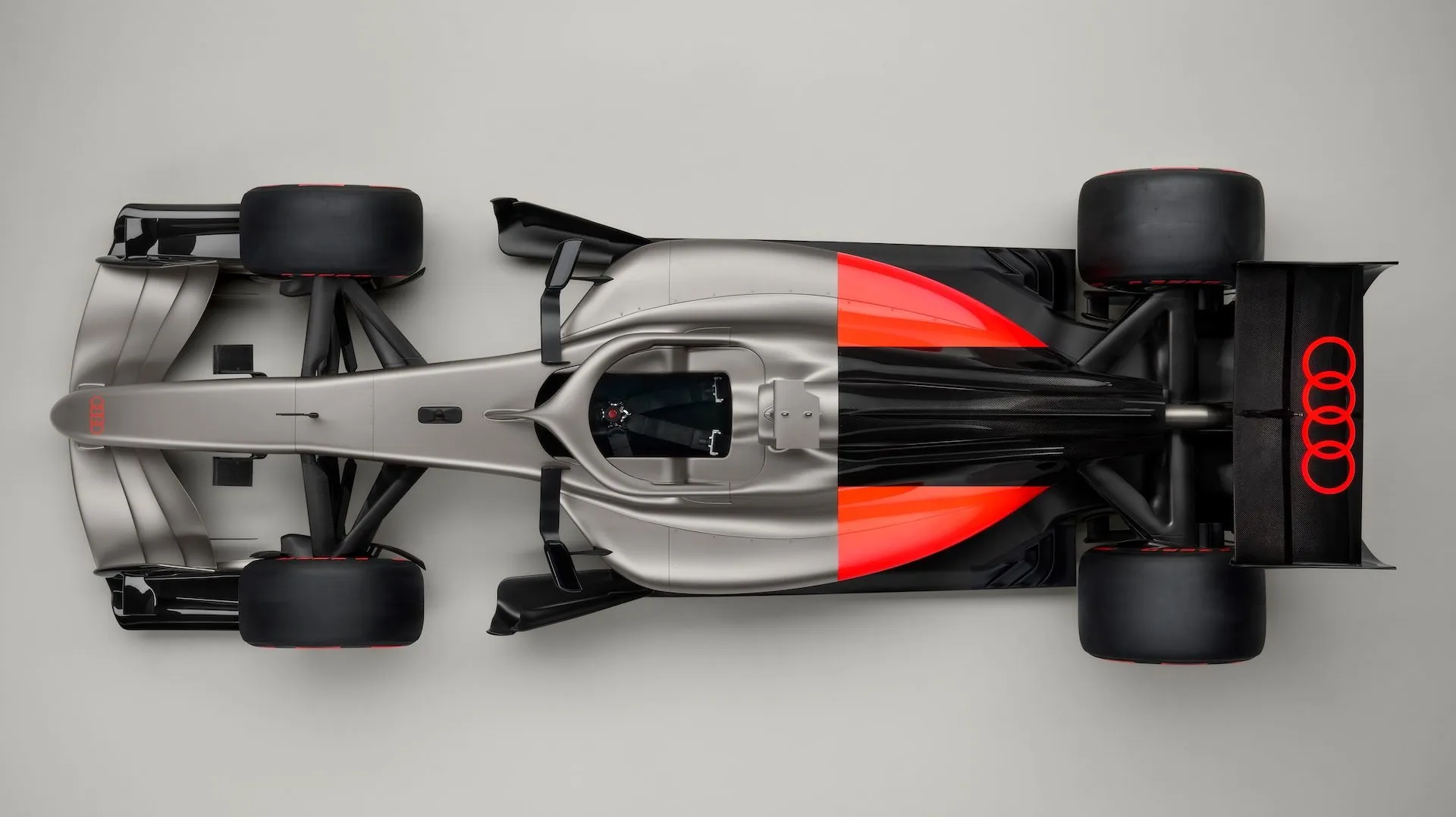
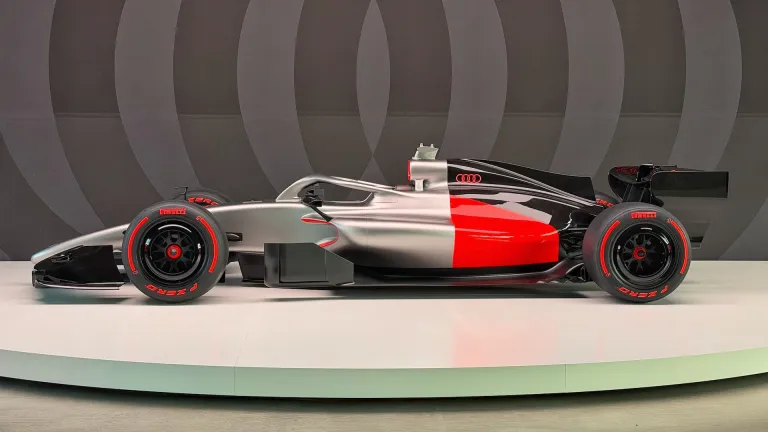
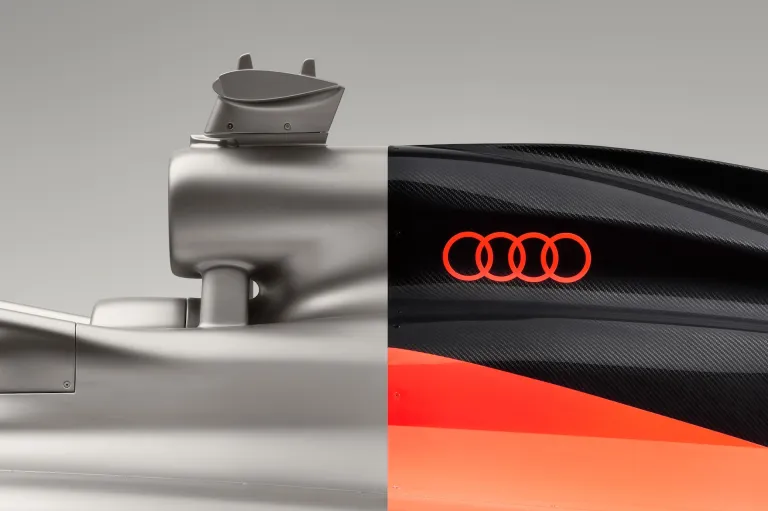
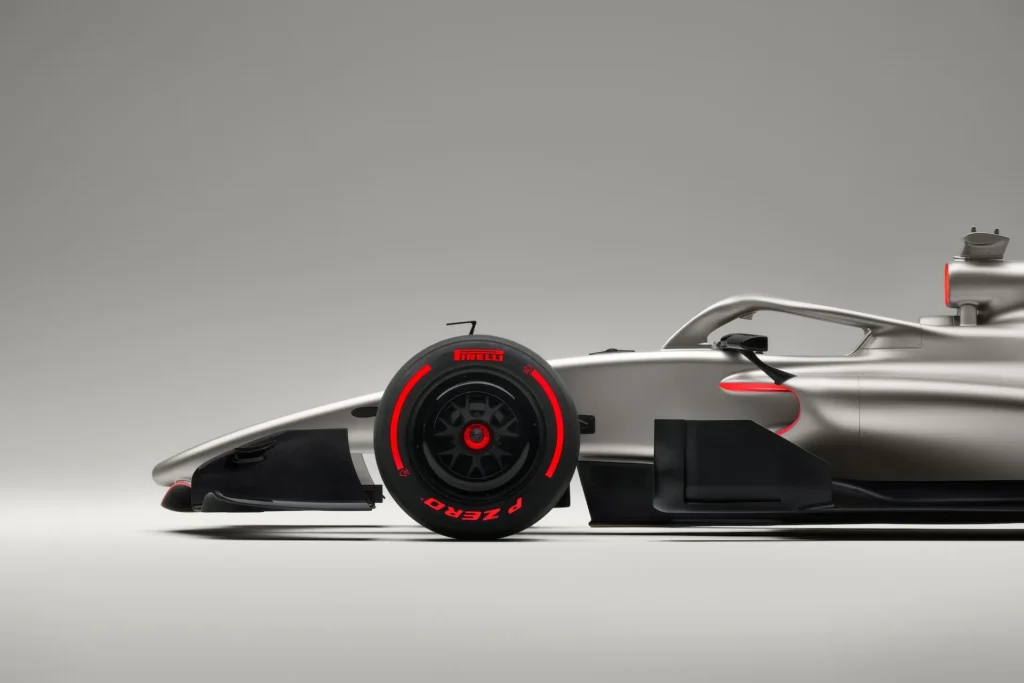
    The R26 uses just three main colors alongside the iconic four rings, creating a sophisticated yet bold identity. Titanium sweeps from the nose to the engine cover, giving a silky, almost magnesium-like finish. Carbon black, a dark raw carbon fiber, adds depth and texture, while Audi Lava Red accents the front wing, sidepod air intakes, and top intake above the driver, ensuring the car pops both on track and on broadcast.

    Heritage Meets a New Era

    The R26 is more than a livery—it’s a statement of intent. Audi CEO Gernot Döllner highlighted that entering Formula 1 marks the next chapter of the company’s motorsport journey. Since its WRC debut in 1981 with the iconic Quattro, Audi has excelled in Le Mans prototypes, TransAm, IMSA GTO, DTM, Formula E, and the Dakar Rally. Motorsport remains central to Audi’s DNA, driving innovation across both race and road cars.

    The Audi R26 Formula 1 car blends modern F1 design with decades of Audi motorsport heritage, from Quattro rally icons to Le Mans dominance.
    The Audi R26 Formula 1 car blends modern F1 design with decades of Audi motorsport heritage, from Quattro rally icons to Le Mans dominance.

    “We are not entering F1 just to participate. We want to win. Building a top team takes time, perseverance, and constant questioning of the status quo. By 2030, we aim to fight for the World Championship title,” Döllner said.

    This philosophy is reflected in the R26’s design, which nods to Audi’s racing legacy while projecting a high-performance, contemporary image for Formula 1.

    Tactical Design and Color Distribution

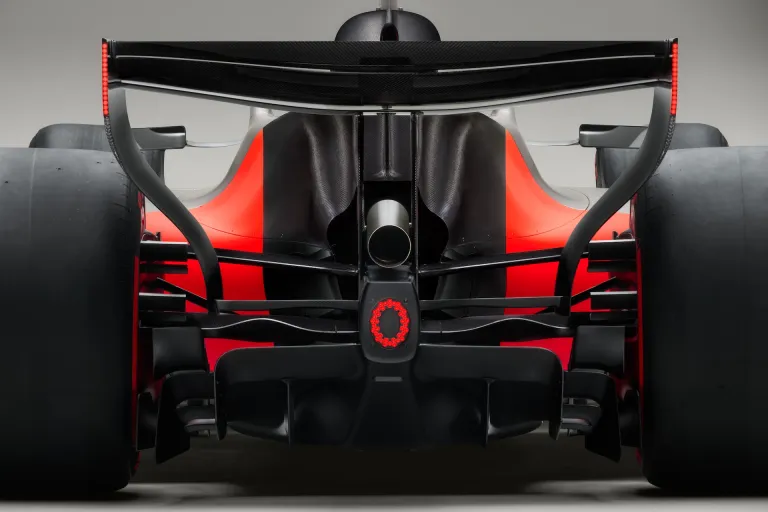
    Livery designer Marcos dos Santos explained that every color and panel serves both aesthetic and functional purposes. Titanium dominates the driver cell and sidepods, creating a continuous flow across the chassis. Lava Red highlights critical aerodynamic areas and engine components, guiding the eye along performance-driven lines. Carbon black wraps the rear wing and engine cover, reinforcing Audi’s racing pedigree.

    Titanium, Lava Red, and exposed carbon fiber are carefully distributed across the R26 to highlight its aerodynamic form and performance intent.
    Titanium, Lava Red, and exposed carbon fiber are carefully distributed across the R26 to highlight its aerodynamic form and performance intent.

    Dos Santos confirmed that even with sponsor decals, the R26 will retain its clean, striking appearance, demonstrating careful planning to balance heritage, visual clarity, and F1 performance aesthetics.

    Countdown to the 2026 F1 Season

    Audi is leveraging existing Sauber facilities in Hinwil, Switzerland, drivetrain operations in Neuburg, Germany, and a technology office in Bicester, England. With just 115 days until the R26’s first race and pre-season testing approaching, all three sites are working in unison to ensure the car is ready for its debut.

    Despite starting behind more established teams, Audi’s minimalist yet purposeful design, combined with strategic engineering and visual storytelling, signals that the R26 is not just a debut car—it’s a bold introduction. By fusing heritage, innovation, and design precision, Audi is poised to make a lasting impression on the 2026 F1 grid.

    With development underway across Europe, the R26 represents Audi’s coordinated push toward its long-awaited Formula 1 debut.
    With development underway across Europe, the R26 represents Audi’s coordinated push toward its long-awaited Formula 1 debut.
  • How Audi Used Decades of Racing Dominance To Shape Its First Ever Formula 1 Car

    How Audi Used Decades of Racing Dominance To Shape Its First Ever Formula 1 Car

    Designing a Formula 1 car is difficult. Designing a Formula 1 car without any previous F1 design language is something else entirely. Yet that’s exactly the challenge Audi faced as it prepared the R26, its first ever F1 machine, and a car meant to symbolize not just a debut season but a new era.

    While Ferrari has red, Mercedes has silver, and McLaren has Papaya Orange rooted in decades of tradition, Audi had no pre existing F1 identity to recycle. So the brand had to answer a fundamental question:

    How do you create a Formula 1 livery that honors Audi’s legendary motorsport past while still looking like something entirely new?

    TwoSpotlight sat down with Marco dos Santos, the lead designer responsible for shaping the R26’s aesthetic, to understand how Audi blended history, innovation, and design philosophy into a livery that demands attention on the grid.

    A Clean Slate But a Heavy Legacy

    Audi may be “new” to Formula 1, but the brand is anything but inexperienced in racing.
    From Group B Quattro monsters to Le Mans dominating prototypes to Dakar EV challengers, Audi has a racing catalog filled with icons. Still, there has never been a Formula 1 car carrying the four rings and that brought both creative room and pressure.

    Although new to F1, the Audi R26 Formula 1 car draws inspiration from decades of Audi racing heritage, including Le Mans and Group B icons.
    Although new to F1, the Audi R26 Formula 1 car draws inspiration from decades of Audi racing heritage, including Le Mans and Group B icons.

    The R26, unveiled this week, proves that a simple palette of Titanium grey, Lava Red, and exposed carbon fiber can create a striking visual identity. The “black” isn’t paint at all it’s a dark carbon weave that integrates visually with the car’s aerodynamics.

    Dos Santos explained to TwoSpotlight that the first step was looking inward:

    “We took a long, honest look at our racing history what made us successful, what defined us and then figured out how to evolve that,” he said.

    A retro silver livery, like a modernized Auto Union Type C, would’ve been the obvious choice. But that wasn’t the mission. Audi wanted something progressive, not nostalgic.

    Balancing Heritage and a Forward Looking Identity

    Audi’s design team wanted the R26 to feel like part of the brand’s lineage without looking like a museum piece. That required pushing boundaries within the rigid constraints of an F1 chassis.

    “The racecar is a design object first,” dos Santos explained.
    “Every line has a purpose. That’s why we color blocked the body the way we did-letting the form dictate where Titanium meets exposed carbon fiber and where the Lava Red slices through.”

    The Titanium shade, which debuted on the Audi Concept C, covers much of the nose, driver cell, and sidepod surfaces. From there, Lava Red defines the car’s identity and boosts visibility on track and on TV something livery designers now treat as essential.

    The Audi R26 Formula 1 livery blends Titanium grey, Lava Red, and exposed carbon fiber to create a modern yet heritage-inspired identity.
    The Audi R26 Formula 1 livery blends Titanium grey, Lava Red, and exposed carbon fiber to create a modern yet heritage-inspired identity.

    The exposed carbon fiber on the engine cover and rear wing brings a motorsport feel that connects to Audi’s modern performance DNA.

    Look closely and you’ll see subtle references to:

    • 2000s Le Mans prototypes (R8, R10, R18)
    • WRC Quattro heritage
    • The S1 Hoonitron
    • The Q8 e-tron Dakar racer

    But the R26 never feels derivative. It’s a synthesis not a tribute act.

    Design Constraints and Creative Freedom

    Despite working within one of motorsport’s most restrictive canvases, dos Santos said Audi still found room to innovate.

    “F1 has extremely specific architecture. But Audi has so many cool elements from the past to evolve. We wanted something that screams engineering performance while staying true to Audi’s spirit.”

    That meant matching certain carbon fiber sections precisely to aerodynamic surfaces and using color only where it advances the car’s dynamic lines. It’s minimal but intentionally so.

    The Audi R26 Formula 1 car uses precise color blocking and exposed carbon fiber to complement its aerodynamic architecture.
    The Audi R26 Formula 1 car uses precise color blocking and exposed carbon fiber to complement its aerodynamic architecture.

    The Emotional Weight of Designing an F1 Car

    For dos Santos, the R26 isn’t just a product it’s a career milestone.

    “It’s unreal to design an F1 car. The biggest honor is working with people who are obsessively dialed into every aspect of the car: materials, finishes, surfaces… all of it.”

    From 2D concepts to 3D surfaces, collaboration with aerodynamicists and engineers shaped the livery just as much as design intent. The livery had to match airflow, contours, and performance zones.

    And what about the inevitable sponsor decals?

    “Not sad at all,” he laughed.
    “We’ve already seen the version with partners. It still looks fantastic.”

    Audi designers collaborated closely with engineers and aerodynamicists to shape the R26 Formula 1 car’s final livery and surface details.
    Audi designers collaborated closely with engineers and aerodynamicists to shape the R26 Formula 1 car’s final livery and surface details.

    Final Thoughts

    Audi’s R26 isn’t just a Formula 1 debut, it’s a declaration. A new look. A new identity. A new interpretation of what a modern Audi race car should be.

    Instead of leaning on nostalgia, Audi built a livery that reflects the brand’s core philosophy:
    pushing boundaries while honoring engineering heritage.

    If the R26’s design language is any indication, Audi isn’t treating its entry into Formula 1 as a test run. It’s treating it as the beginning of a new motorsport dynasty.

  • Stuck Tesla Cybertruck Owner Reflects After Grueling Week on the Rubicon Trail

    Stuck Tesla Cybertruck Owner Reflects After Grueling Week on the Rubicon Trail

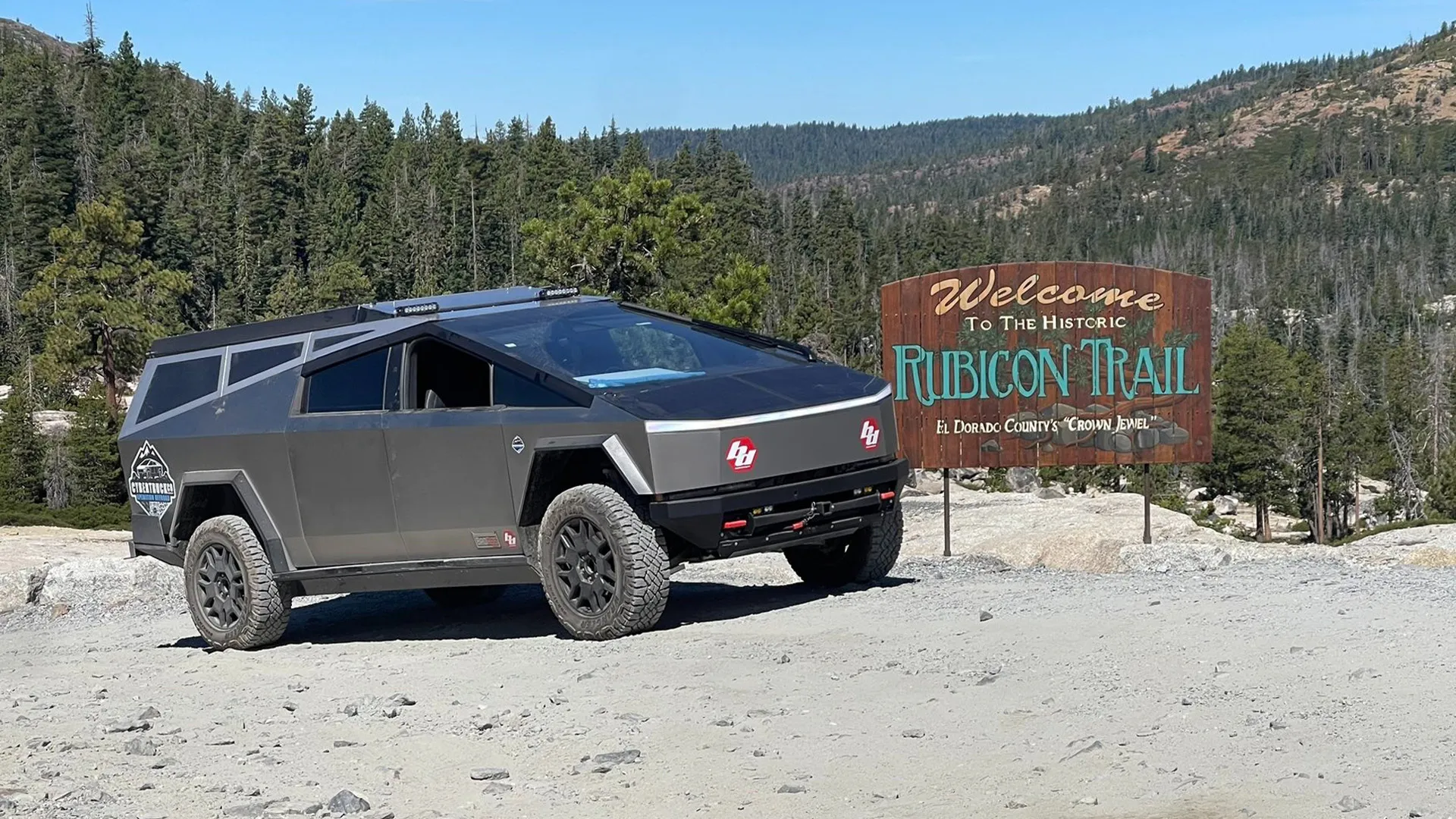
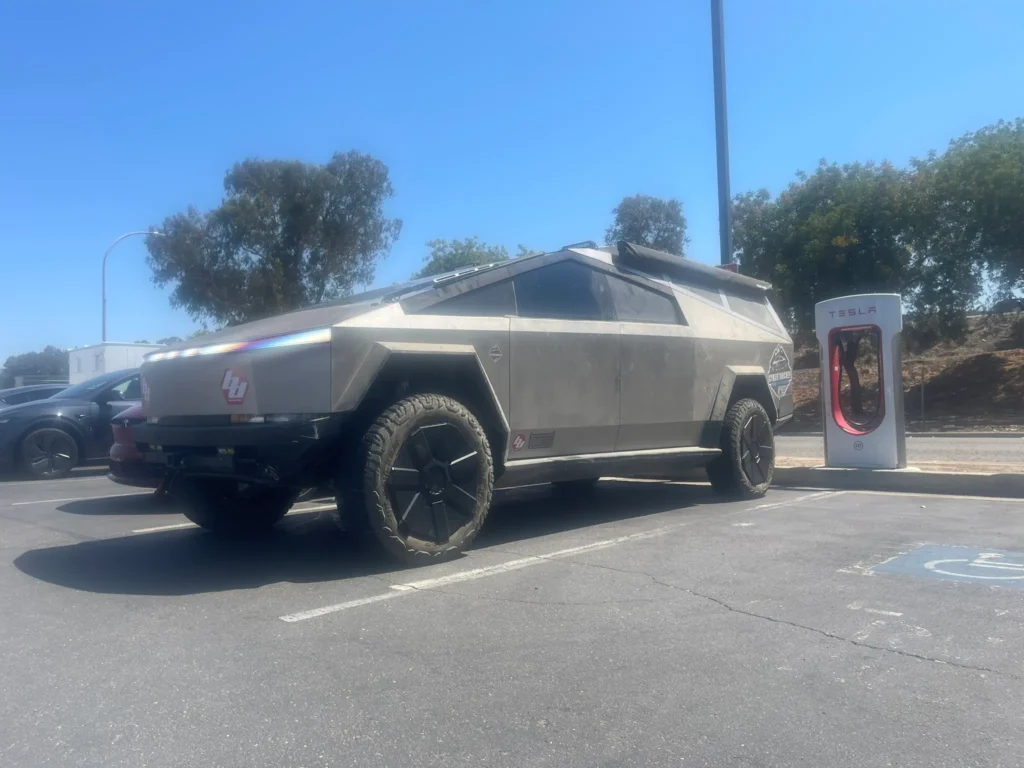
    The Tesla pickup that became famous for sitting immobilized on the Rubicon Trail for days has finally completed its journey barely. More than a week after the attempt began, the owner is sharing the full story behind one of the most punishing EV off-road tests to date.

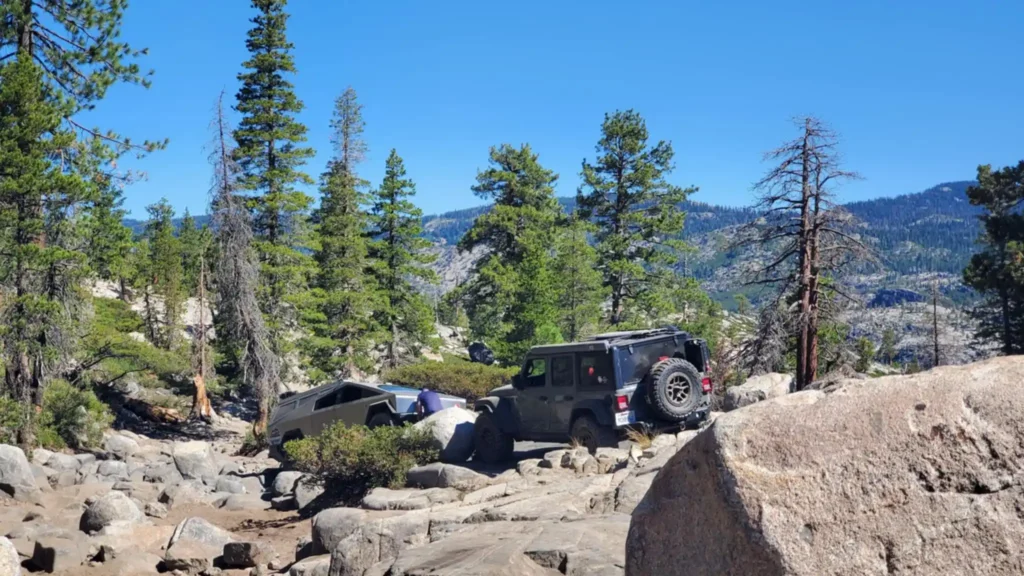
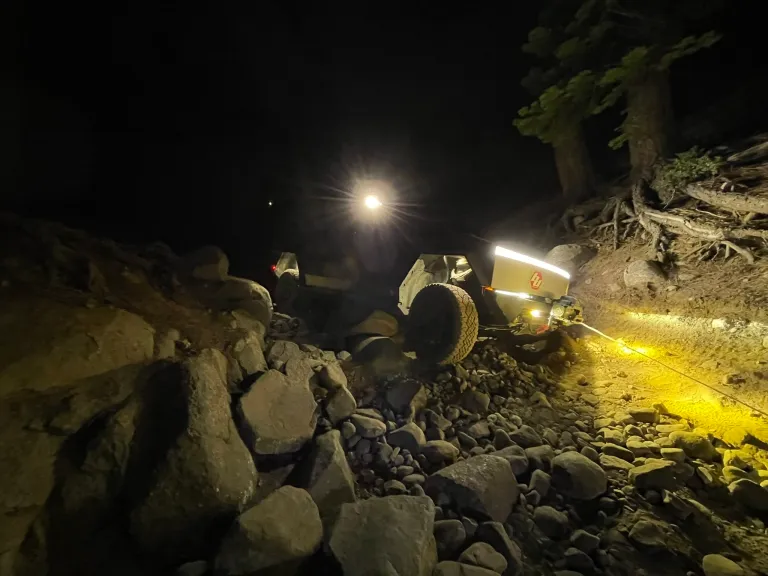
    When photos and videos of a disabled Tesla Cybertruck appeared across Facebook groups and automotive forums earlier this week, they quickly went viral. The electric pickup had been stranded on the Rubicon Trail-a place known for humbling even modified gas-powered rigs-for several days. The situation involved multiple broken components, a forced repair in the dirt, and a makeshift anchoring job on Cadillac Hill.

    Now, after finally reaching the Tahoma staging area with only bruises (and many bent tie rods), the Cybertruck’s owner, Roger Davis, is speaking out about what actually happened during his week-long ordeal. And according to him, the dramatic images only tell part of the story.

    A Trail Known for Destroying Vehicles

    The Rubicon Trail is one of the most challenging off-road routes in North America-a 22-mile gauntlet of granite boulders, steep ledges, tight passages, and relentless technical obstacles. Even purpose-built rock crawlers on 37- or 40-inch tires approach the trail with caution, and full-size vehicles often need significant modifications before attempting it.

    The Rubicon Trail’s granite obstacles have long challenged even heavily modified rock crawlers and full-size off-road vehicles.
    The Rubicon Trail’s granite obstacles have long challenged even heavily modified rock crawlers and full-size off-road vehicles.

    Despite that, Davis wanted to prove that a lightly modified Tesla Cybertruck-the vehicle that symbolizes the cutting edge of electric pickup capability-could survive one of the most punishing off-road environments in the world.

    “First of all, the Cybertruck should never cross the Rubicon without a skilled team of techs and spotters who know the trail well,” Davis said. “You also need to come with spares and be prepared.”

    His warning now reads less like advice and more like a hard-earned confession.

    A Support Jeep, High Hopes, and Rising Problems

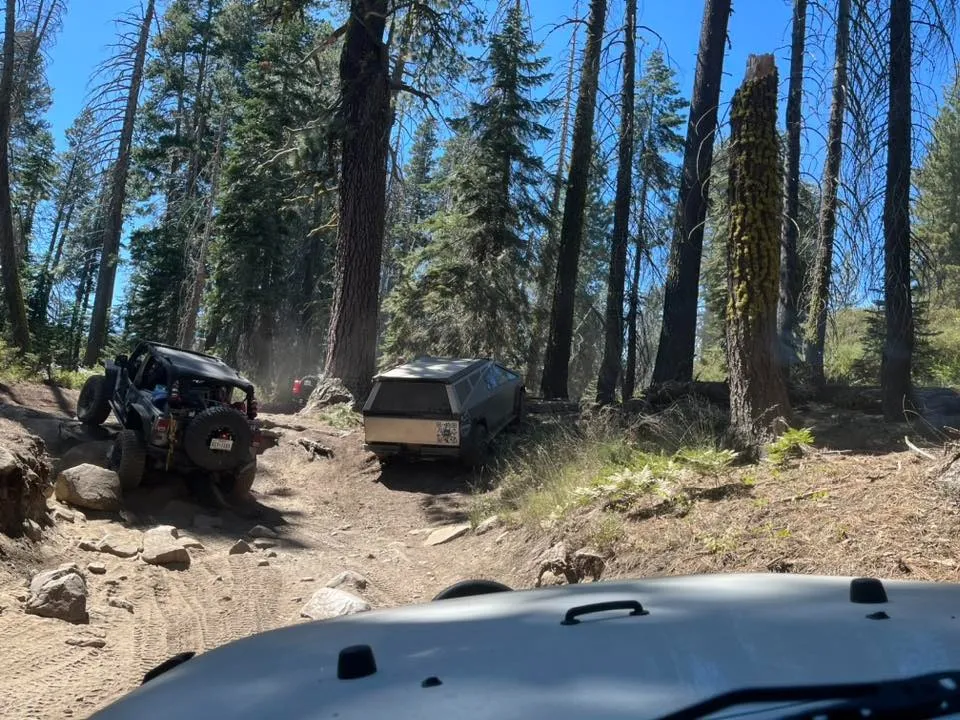
    Davis didn’t go alone. He invited a four-door Jeep Wrangler JL Rubicon to accompany the Cybertruck during the attempt. That Wrangler became a crucial lifeline-and ultimately the vehicle that did a significant amount of towing.

    While many off-roaders on the trail reported seeing the Jeep repeatedly pulling the Cybertruck through obstacles, Davis remains adamant that the EV held its own.

    A Jeep Wrangler JL Rubicon frequently assisted the Tesla Cybertruck through difficult sections of the Rubicon Trail.
    A Jeep Wrangler JL Rubicon frequently assisted the Tesla Cybertruck through difficult sections of the Rubicon Trail.

    According to him, the truck was outfitted with practical upgrades:

    • Rock sliders
    • Front and rear aftermarket bumpers
    • Full-length skid plating
    • OEM Goodyear tires
    • A mild one-inch lift

    “It didn’t have any trouble on most obstacles,” he said. “We never held up the trail, and we did well with great spotting. And yes, of course, we pulled line and tugged it over some of the harder stuff-just like you would do for any other vehicle on this trail.”

    Davis even points out that they passed other broken vehicles, including:

    • A disabled Suzuki Samurai
    • Two struggling Jeep Wranglers
    • A Ford Bronco experiencing its own mechanical issues

    “The Cybertruck definitely wasn’t the only rig that took damage out there,” he insisted.

    Tie Rod Carnage, a Busted Steering Rack, and a CV Axle Failure

    However, the Tesla did suffer a long list of mechanical failures-far more than a typical Rubicon attempt.

    The Cybertruck sustained:

    • Four bent front inner tie rods
    • Two damaged rear tie rods (one bent, one with a sheared M14 bolt)
    • A destroyed rear CV axle on Cadillac Hill
    • A catastrophically failed steering rack

    Davis says they improvised one repair using a wheel spacer bolt to replace the sheared M14 bolt. But the steering rack failure was a major setback. It left the truck immobile on one of the steepest, narrowest, and most unforgiving portions of the Rubicon.

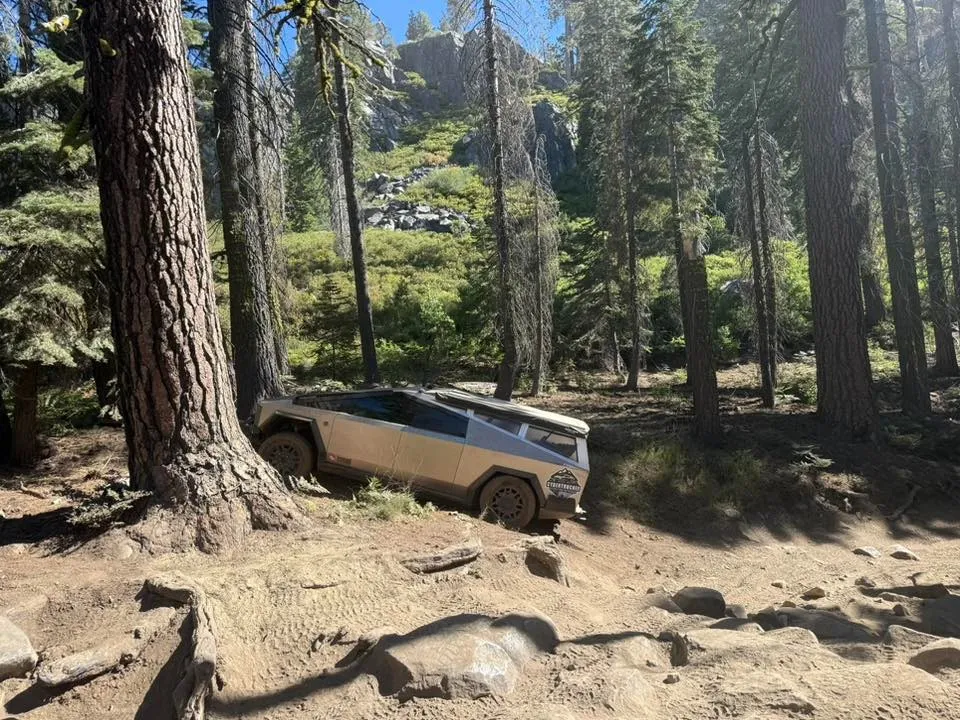
    “We were able to acquire a new front steering rack and a new rear axle,” Davis explained. “We replaced those in the dirt with the truck up on that tree.”

    Bent tie rods, a failed steering rack, and a destroyed CV axle left the Tesla Cybertruck immobilized on Cadillac Hill.
    Bent tie rods, a failed steering rack, and a destroyed CV axle left the Tesla Cybertruck immobilized on Cadillac Hill.

    That tree-the one seen in many viral photos-was used as an anchor to lift and stabilize the electric pickup during repairs.

    “As soon as she was back on the trail, she immediately climbed up that obstacle,” Davis recalled. “We got to the top, took some more pictures, and completed the rest of the trail easily.”

    The “easy” part, of course, came after four days of being stuck on Cadillac Hill.

    Energy Problems on the Trail: A Charging Crisis

    Even once the mechanical failures were addressed, the Cybertruck faced another life-or-death challenge: battery charge.

    Davis believes the truck might have been able to finish the entire route on a single charge if they had started at 100%. But they began at around 85%, and the slow crawling on granite-combined with power demands from winching and accessory use-drained the battery much faster than expected.

    With only 5% battery remaining, the Tesla Cybertruck relied on a larger generator to recharge and complete the Rubicon Trail.
    With only 5% battery remaining, the Tesla Cybertruck relied on a larger generator to recharge and complete the Rubicon Trail.

    By the time the Cybertruck rolled into Rubicon Springs, it had only 5% state of charge remaining.

    The campsite’s Yamaha generators were too small to make any meaningful progress.

    Then, unexpectedly, help arrived.

    “A guardian angel brought a larger unit and was able to fill the battery to 86%,” Davis said. “That let us finish the run.”

    That anonymous good Samaritan likely saved the entire attempt from ending in a dead-battery evacuation.

    A Word of Warning-from Someone Who Survived It

    Now safely home, Davis feels compelled to offer a blunt message to anyone considering following in his tire tracks.

    “I do not recommend any person trying the Rubicon with a Cybertruck unless you come extremely prepared,” he warned.

    Yet he also pushed back on a recurring criticism about EVs on difficult trails:

    “There’s probably less chance of this EV burning down that forest than all of the fossil fuel vehicles running through there,” he said.

    For Davis, the Rubicon run was a “bucket list” challenge. And now that it’s done, he doesn’t plan to rush back.

    “It’s checked off the bucket list, and we likely won’t go back anytime soon.”

    After completing the Rubicon Trail, the Cybertruck’s owner warned others to come fully prepared before attempting the iconic off-road route.
    After completing the Rubicon Trail, the Cybertruck’s owner warned others to come fully prepared before attempting the iconic off-road route.

    A Divisive Attempt in a Divisive Vehicle

    Predictably, the Cybertruck’s Rubicon journey ignited fierce debate. Some wheelers argued he never should have attempted the trail with an electric pickup of that size and weight. Others cheered him on and admired the determination to push EV capabilities into territory typically reserved for highly modified gas-powered crawlers.

    Davis says that in person, many off-roaders along the trail encouraged him to keep going-even when the truck was immobilized. But online commentary was far more polarized.

    Still, he remains unfazed.

    “As far as I’m concerned, the Tesla Cybertruck is the only vehicle in the world that can say it drove me with my hands off the steering wheel from San Diego all the way to the trailhead,” he said. “It then crossed the trail, and when it got off, it immediately started the journey home again, using Full Self-Driving while I read all the comments.”

    The Tesla Cybertruck’s Rubicon attempt sparked heated debate within the off-road community.
    The Tesla Cybertruck’s Rubicon attempt sparked heated debate within the off-road community.

    A Happy Ending-And a Reality Check for EV Off-Roading

    Davis has the Cybertruck back in his driveway now-a better outcome than many expected during the lowest points of the journey. The truck suffered severe component failures, endured one of the toughest off-road trails in existence, and still managed to exit under its own power.

    And, importantly, they never had to call in a helicopter for extraction-something that has happened with other stranded vehicles on the Rubicon.

    The ordeal highlights both the potential and the limitations of electric pickups in extreme off-road environments. While instant torque, quiet operation, and advanced traction control are undeniable advantages, the Rubicon Trail exposed vulnerabilities in steering, suspension durability, and long-distance energy management under extreme load.

    For Tesla, off-road engineers, and EV enthusiasts, Davis’ journey provides invaluable real-world insight into how electric trucks behave under true rock-crawling punishment-insight that no simulation or press demonstration can replicate.

  • Edison Motors Diesel-Electric Pickup for Classic Trucks

    Edison Motors Diesel-Electric Pickup for Classic Trucks

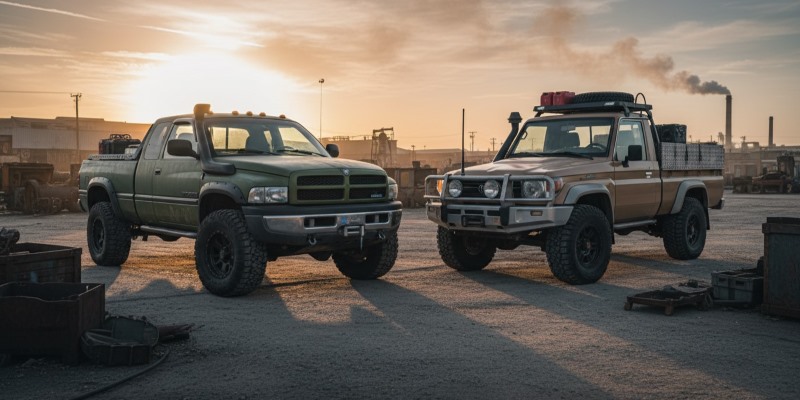
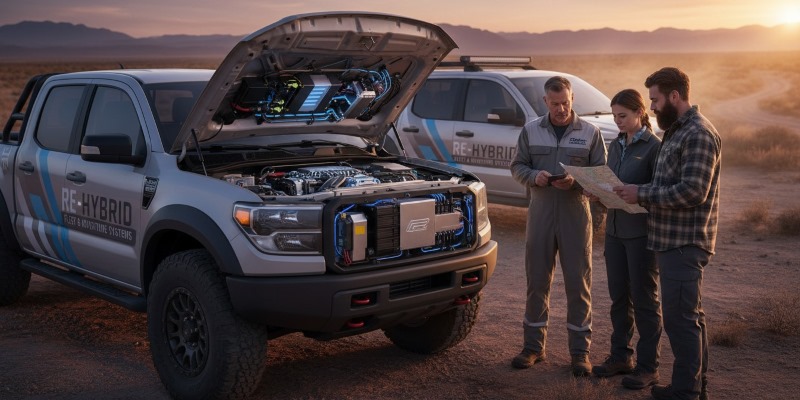
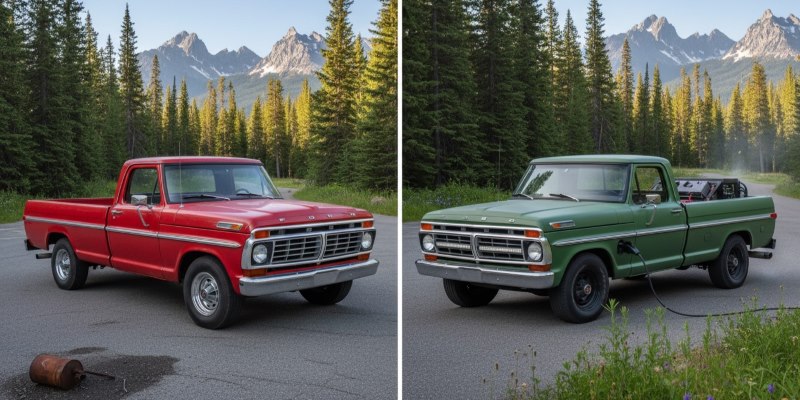
    Edison Motors diesel-electric pickup prototypes are redefining classic truck electrification. After nearly a year of development, the Canadian company has unveiled a second-generation Ram and a Toyota Land Cruiser 79 Series equipped with a Cummins-powered series-hybrid system. These builds preview Edison Motors’ upcoming diesel-electric conversion kit, designed to transform classic trucks from the past six decades into range-extended hybrid pickups.

    Edison Motors: Bridging the Gap Between Classic Trucks and Modern Electrification

    Edison Motors has established itself as a forward-thinking innovator in the electric vehicle space, particularly in work trucks and heavy-duty machinery. Founder and president Chace Barber has a reputation for practical, realistic approaches to electrification, prioritizing durability and usability over hype. The company’s partnership with Rich Bosch of Deboss Garage, now Edison’s Vice President of Work Truck Fabrication, has been pivotal in translating that vision into functional prototypes.

    “These builds show that you don’t need to compromise a truck’s utility for electrification,” Barber said in a recent interview. “We’re focused on creating real-world solutions that can be adapted to existing vehicles, making hybrid technology accessible to more owners.”

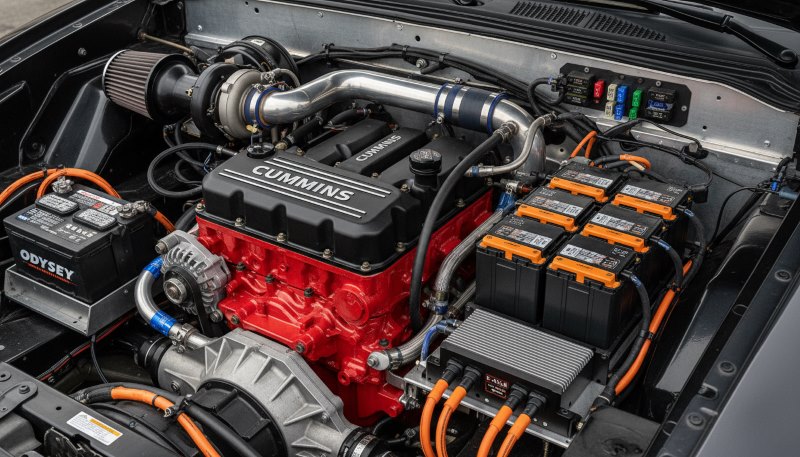
    The 2.8-liter Cummins diesel engine acts as a generator in Edison Motors’ series-hybrid pickup system.
    The 2.8-liter Cummins diesel engine acts as a generator in Edison Motors’ series-hybrid pickup system.

    The new pickup prototypes continue Edison’s commitment to series-hybrid technology, a concept with a century-long history in locomotives and heavy equipment. By combining a compact diesel engine with electric motors and battery storage, these pickups can deliver both instant torque and range-extension capabilities, ensuring a practical and versatile driving experience.

    Understanding the Operation of a Diesel–Electric Powertrain

    Both the Ram and Land Cruiser prototypes are powered by a 2.8-liter Cummins diesel crate engine, a small yet robust four-cylinder designed to run efficiently as a generator. Unlike conventional hybrids, the diesel engine does not directly drive the wheels. Instead, it spins a generator that feeds electricity into a frame-mounted battery, which in turn powers e-axles delivering torque directly to the wheels. This setup eliminates the need for a traditional transfer case, resulting in cleaner drivetrain packaging and smoother off-road operation.

    This setup offers a wide range of advantages:

    • Silent electric operation: When running purely on battery power, these pickups are whisper-quiet, providing a completely different experience compared to conventional diesel trucks.
    • Extended range: The onboard diesel engine generates electricity on demand, alleviating range anxiety commonly associated with battery-electric vehicles.
    • Instant torque: Electric motors provide immediate wheel torque, enhancing acceleration and off-road capability.

    According to Edison Motors, this configuration ensures that trucks retain their traditional ruggedness while gaining modern efficiency and performance enhancements, making them suitable for both daily driving and heavy-duty work.

    Engineering and Layout Difficulties

    Designing a retrofit diesel-electric kit for trucks spanning six decades is no small feat. Edison and Deboss Garage have had to account for vastly different chassis layouts, bed configurations, and suspension setups while keeping the kits universal and minimally invasive.

    For instance, the Land Cruiser prototype required a bed-mounted EV cooling system, which Edison is actively redesigning to fit under the truck bed, maximizing cargo space and usability. The second-gen Ram, by contrast, manages to house all hybrid components completely out of sight, making it nearly indistinguishable from a stock pickup at first glance.

    These packaging innovations are critical because they ensure that the converted pickups maintain full payload capacity and bed usability, essential factors for owners who rely on trucks for work or recreation.

    Why On-Road and Practical Testing Matters

    Unlike many startups that focus on concept hype, Edison Motors has taken a hands-on, empirical approach to development. The prototypes have undergone extensive testing, from driveability assessments to battery and e-axle durability trials, ensuring that the kits can survive both daily commuting and extreme off-road conditions.

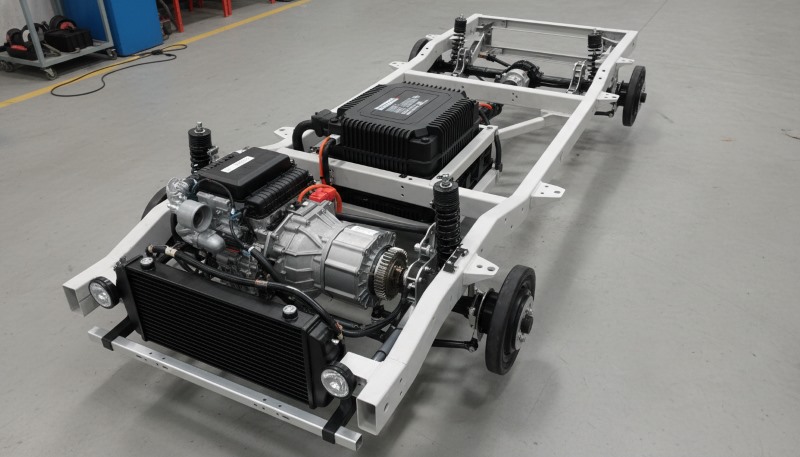
    Edison’s diesel-electric conversion kit is engineered to fit classic pickup chassis without sacrificing payload space.
    Edison’s diesel-electric conversion kit is engineered to fit classic pickup chassis without sacrificing payload space.

    Barber and his team have been candid about the iterative nature of their process. Several ideas were abandoned when they failed to meet Edison’s rigorous standards for performance, safety, and longevity. This transparency, according to industry analysts, sets Edison apart from other EV startups, which often rely heavily on marketing and preorders to fund development.

    “Being honest about what works and what doesn’t is rare in this space,” said Barber. “It’s important that our customers trust these systems not just to work once, but to work consistently over years of use.”

    Possible Commercial Segments and Use Cases

    Edison Motors’ range-extended diesel-electric pickup kits have broad implications for the automotive market. They offer a pathway for:

    1. Classic truck owners: Enthusiasts who want to modernize their vintage vehicles without sacrificing originality.
    2. Work truck operators: Fleets that require extended range, off-road capability, and low operational noise in urban or remote environments.
    3. Overlanders and off-road adventurers: Drivers seeking electric torque and diesel reliability in long-distance, off-grid scenarios.
    The range-extended hybrid system is aimed at fleet operators, work truck owners, and overland adventurers.
    The range-extended hybrid system is aimed at fleet operators, work truck owners, and overland adventurers.

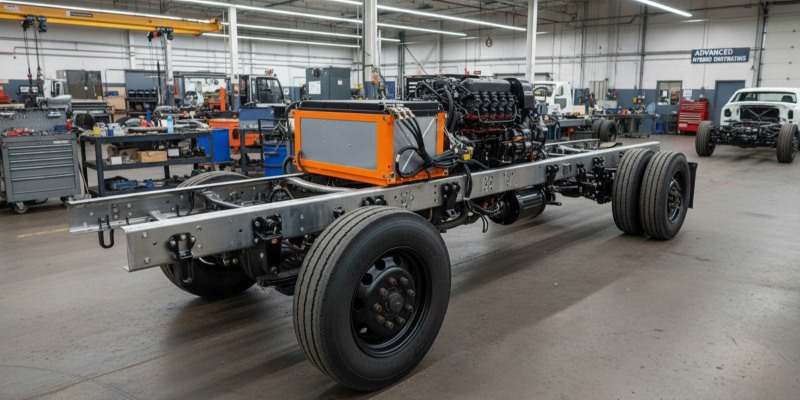
    Additionally, Edison is exploring the sale of rolling chassis with the hybrid drivetrain preinstalled, allowing customers to simply place their desired pickup body on top. This approach could streamline conversions and make the technology accessible to a wider audience, from DIY hobbyists to commercial operators.

    Sustainability and Futureproofing

    One of Edison’s core missions is sustainability. By converting existing vehicles to hybrid-electric operation, the company reduces the environmental impact of manufacturing new vehicles. Classic trucks that might otherwise remain gas-powered and inefficient can now achieve lower emissions and improved fuel economy, thanks to the series-hybrid system.

    The combination of a small-displacement diesel engine and battery-electric propulsion offers significant advantages:

    • Reduced fuel consumption compared to conventional pickups.
    • Lower greenhouse gas emissions, particularly on city streets where electric operation dominates.
    • Preservation of existing vehicles, reducing automotive waste and supporting the circular economy.
    By enabling hybrid classic truck conversion, Edison Motors aims to reduce emissions while extending the lifespan of existing pickup platforms.
    By enabling hybrid classic truck conversion, Edison Motors aims to reduce emissions while extending the lifespan of existing pickup platforms.

    Looking Ahead: Production and Kit Availability

    Currently, Edison’s pickup prototypes remain in the development and validation phase. While specific pricing and availability details are not yet finalized, the company has indicated that the conversion kits will be offered in the near future. This will allow a wide range of classic and modern pickups to benefit from diesel-electric propulsion, expanding the market for sustainable performance upgrades.

    Industry observers note that Edison’s approach is particularly timely, as demand grows for electrified trucks with practical range and utility. Competitors in the electric pickup space, from Ford and Rivian to Tesla, have focused primarily on new vehicles, leaving a niche for retrofits and hybrid conversions. Edison Motors appears poised to fill that gap with technically advanced, real-world solutions.

    Edison Motors plans to commercialize its diesel-electric conversion kit and potentially offer rolling chassis options for hybrid pickup builds.
    Edison Motors plans to commercialize its diesel-electric conversion kit and potentially offer rolling chassis options for hybrid pickup builds.

    Edison Motors’ work with diesel-electric pickups represents a significant evolution in vehicle electrification. By combining classic pickup platforms with series-hybrid powertrains, the company has created machines that are both functional and forward-looking. The prototypes—a second-gen Ram and a 79-Series Toyota Land Cruiser—demonstrate that it’s possible to modernize existing vehicles without sacrificing their character or utility.

    With plans to launch conversion kits and potentially rolling chassis, Edison is making electrification accessible to a wide audience, including classic truck enthusiasts, fleet operators, and off-road adventurers.

    In an era where sustainability and performance are often at odds, Edison Motors’ diesel-electric pickups provide a compelling bridge between the past and the future, delivering the torque, range, and reliability that both drivers and the planet can appreciate.

    As development continues and kits approach production, the industry will be watching closely to see if Edison can translate its prototypes into practical, scalable solutions for the growing market of hybrid and electrified trucks.

  • Ford Introduces the Belt Truckle: A Western-Inspired Key Fob Holder for F-150 Owners

    Ford Introduces the Belt Truckle: A Western-Inspired Key Fob Holder for F-150 Owners

    Whether you’re a seasoned rancher, a weekend cowboy, or simply a fan of Western fashion, Ford’s Belt Truckle offers a clever and practical solution to an age-old problem: keeping your Ford F-150 key fob secure while on the go. Designed as a belt buckle that doubles as a key storage device, the Truckle blends function with craftsmanship, honoring both Western heritage and Ford’s iconic pickup legacy.

    A Cowboy Problem Meets a Creative Solution

    For decades, pickup trucks have been a staple of Western culture, particularly in states like Texas, Montana, and Louisiana. Cowboys and ranchers rely on their trucks for everything from hauling livestock to navigating rugged terrain and securing truck keys has always been a practical concern. The Ford Truckle addresses this challenge in a way that is as stylish as it is functional.

    The Truckle, according to its creator, Andy Andrews a master buckle maker, rodeo legend, and lifelong Ford customer is designed to accommodate any Ford key fob from 2018 onward. Whether you’re driving a Ford Ranger, F-150, or Super Duty, the Truckle ensures your key is safely tucked away, freeing your hands for work on the ranch or chores around the farm.

    “It’s the perfect blend of Western craftsmanship and modern utility,” says Andrews. “We wanted to create a piece that pays homage to the F-150 while solving a practical problem that’s often overlooked.”

    The Design: Western Craftsmanship Meets Functionality

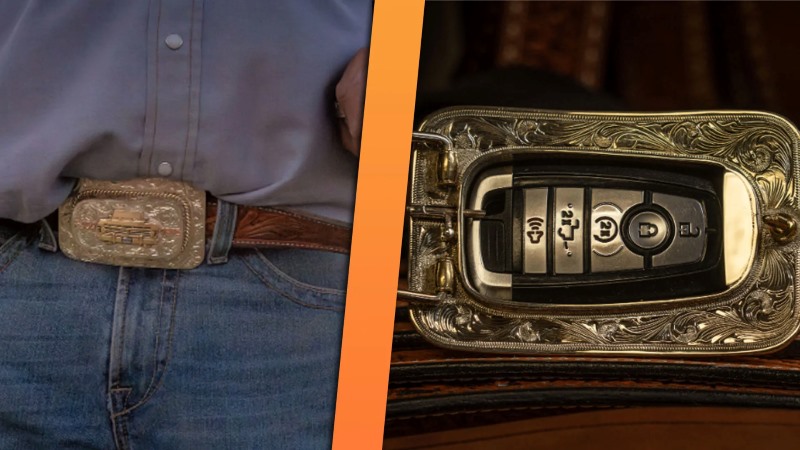
    The Truckle’s design is rooted in traditional Western belt buckle aesthetics, complete with detailed engraving and durable metal construction. A highlight is the miniature 1975 F-150 engraved on the key compartment door, surrounded by ornamental etching that evokes classic rodeo and ranch gear. The craftsmanship reflects first-class attention to detail, appealing not only to ranchers but also to collectors and enthusiasts of Western lifestyle accessories.

    The belt buckle opens to reveal a small, secure compartment capable of holding a modern Ford key fob, keeping it safe from loss, weather, or accidental drops. The integration of a key fob locker into a wearable accessory is a novel concept, making the Truckle a first-of-its-kind product in both the automotive and Western accessory markets.

    A Limited-Edition Celebration of F-150 Heritage

    The Truckle was developed in partnership with Ford Motor Company to commemorate 50 years of the F-150. Its limited-run production adds exclusivity, making it a collectible item for fans of the truck and the brand. The description by A Cut Above Buckles emphasizes its dual purpose:

    “Securely store your Ford key fob inside the Truckle and keep your hands free to get work done. We created the Truckle with Ford to honor five decades of F-150 legacy.”

    The combination of heritage-inspired design and practical utility makes the Truckle appealing to multiple audiences:

    • Ranchers and working cowboys who need hands-free access while managing livestock or performing outdoor labor.
    • Pickup enthusiasts who appreciate the history and craftsmanship of Ford trucks.
    • Western lifestyle aficionados and collectors who want functional, wearable art with a nod to Americana.
    • Teenagers and cosplay fans who enjoy Western-themed fashion and want a unique way to carry their Ford key fobs.

    Utility and Everyday Use

    While the Truckle is undeniably stylish, its practical utility cannot be overstated. Securing a key fob in a traditional pocket can be cumbersome, particularly when wearing cowboy jeans, chaps, or layered work clothing. The Belt Truckle eliminates this problem by providing a dedicated, accessible storage solution, reducing the risk of lost keys or accidental drops in the field.

    Additionally, the design allows the key fob to remain protected from environmental elements like dust, mud, and rain common hazards in ranch and farm work. The Truckle’s sturdy construction ensures durability under regular use, making it suitable for rugged outdoor activities.

    Price, Availability, and Collectibility

    As a limited-run product, the Ford Belt Truckle is currently sold out, reflecting strong demand among Ford enthusiasts and collectors. Priced at approximately $200, it combines practicality and collectible value in a single accessory. Until restocks are available, buyers may need to store their key fobs in the vehicle temporarily, but the anticipation underscores the Truckle’s appeal as both a functional tool and a statement piece.

    Collectors and Western enthusiasts often view limited-edition accessories like the Truckle as an investment in Ford memorabilia, particularly items that celebrate milestone anniversaries such as the F-150’s 50-year legacy.

    Broader Context: Trucks and the Cowboy Lifestyle

    The F-150 has long been more than just a vehicle, it’s a cultural icon in Western and rural America. From hauling cattle and farm equipment to appearing in country music videos and lifestyle branding, the F-150 represents utility, reliability, and rugged independence. Accessories like the Truckle reinforce this connection by merging functional necessity with cultural expression.

    As automotive journalist Caleb Jacobs noted earlier this year, the pickup truck is deeply intertwined with Western identity. Products like the Truckle extend that legacy, creating a bridge between modern automotive technology and traditional cowboy culture.

    Function Meets Fashion

    The Ford Belt Truckle is a creative, functional, and collectible accessory that blends Western heritage, craftsmanship, and modern utility. By transforming a belt buckle into a secure key fob storage solution, Ford and A Cut Above Buckles have addressed a niche problem in a stylish and practical way.

    Whether you’re a rancher needing hands-free convenience, a Ford enthusiast celebrating five decades of F-150 history, or a fan of Western fashion, the Truckle offers a unique solution that is both practical and visually appealing.

    As limited-run items continue to gain popularity in the automotive accessory market, products like the Truckle demonstrate that innovation doesn’t always mean electronics or horsepower—sometimes, it’s about merging utility, design, and lifestyle in unexpected ways.

    For now, enthusiasts will need to wait for restock, but the Ford Belt Truckle has already proven that there’s a market for accessories that are as rugged and iconic as the trucks they complement.

  • Ram Recalls 72,509 Trucks Including Ram 1500, 2500, 3500

    Ram Recalls 72,509 Trucks Including Ram 1500, 2500, 3500

    Ram is recalling tens of thousands of pickups because their digital instrument clusters might suddenly go blank, creating a critical safety hazard. But that’s just one of today’s major automotive headlines, as electrification, design revivals, and industry investments shape the week’s news cycle.

    Good morning and welcome back to The Downshift – the daily briefing where we break down the most important automotive stories with clarity, context, and a bit of coffee-fueled urgency. Designed for busy readers, TDS distills complex industry developments into concise insights while keeping you up to speed on how the market is shifting in real time.

    Let’s dive in.

    Ram Recalls 72,509 Trucks After Digital Gauge Clusters May Fail

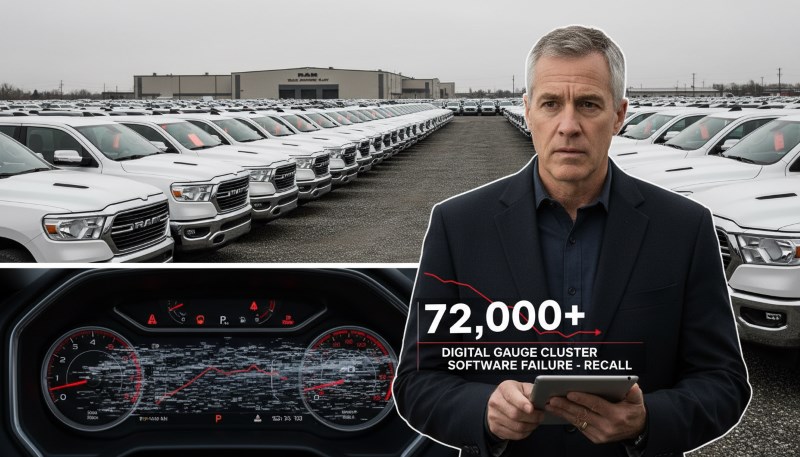
    In a move that impacts some of the brand’s most popular pickups, Ram has issued a recall for 72,509 trucks, including the Ram 1500, the heavy-duty Ram 2500 and 3500, as well as 4500 chassis-cab models, due to a software glitch that can cause the digital gauge cluster to go completely blank.

    Ram recalls over 72,000 trucks after digital gauge cluster software failure raises safety concerns.
    Ram recalls over 72,000 trucks after digital gauge cluster software failure raises safety concerns.

    The affected vehicles span the 2025 model year, and the issue is serious: if the cluster fails, drivers lose access to essential information such as speed, gear position, warning lights, and engine alerts. That blackout can increase crash risk, especially when towing or hauling, where precise vehicle feedback is critical.

    Ram says the problem stems from a buggy software update introduced during production. Dealers will reflash the cluster with corrected software at no cost to owners. The automaker has not reported any accidents or injuries tied to the issue so far.

    This recall arrives as more manufacturers rely on digital dashboards in place of traditional analog gauges. While digital clusters unlock customization and modern aesthetics, they also introduce new points of failure – a growing discussion across the automotive technology landscape.

    Rivian Drops a Striking New Color: Borealis Purple

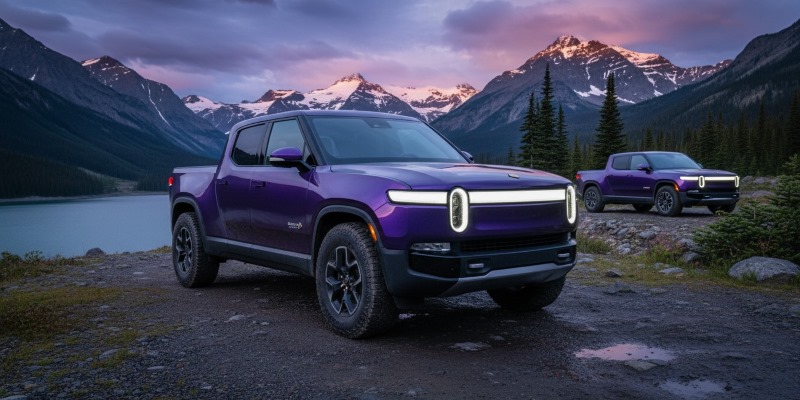
    EV-maker Rivian continues leaning into personalization as a brand differentiator. This week, the company revealed a new limited-run exterior color called Borealis, a deep, shimmering purple available as a $3,000 option on Tri-Motor and Quad-Motor R1S and R1T models.

    Rivian introduces limited-run Borealis Purple paint option for R1T and R1S electric trucks.
    Rivian introduces limited-run Borealis Purple paint option for R1T and R1S electric trucks.

    Rivian already stands out for its adventurous design language, but unique colors like Borealis reinforce the brand’s appeal among buyers who want electric trucks that look as bold as they perform. The company has said the color will only be offered for a short time, making it one of Rivian’s rare “collector-grade” paint options.

    With the EV market becoming increasingly crowded, styling and customization are quickly becoming competitive edges. Rivian’s latest release underscores this shift.

    Kia Teases a Mysterious New EV – Possibly the Stinger Successor

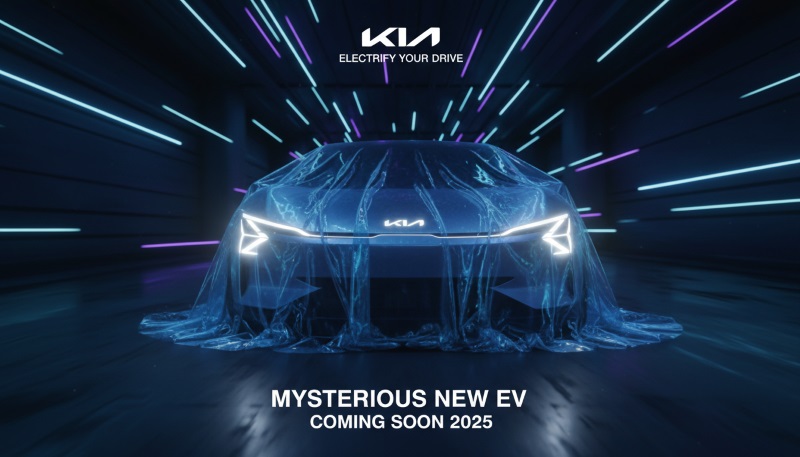
    Kia fed the rumor mill again by releasing a cryptic teaser that appears to show a sleek new electric vehicle, possibly a spiritual successor to the Kia Stinger. Although the automaker withheld details, the silhouette suggests a sporty fastback profile with performance-oriented proportions.

    Kia teases a possible electric successor to the Stinger with a sleek fastback silhouette.
    Kia teases a possible electric successor to the Stinger with a sleek fastback silhouette.

    If true, this would indicate Kia is leaning further into building enthusiast-friendly EVs-an area previously dominated by Tesla, Porsche, and Hyundai’s N-division. The Stinger earned widespread respect for challenging German sport sedans with accessible pricing, and an electric successor could fill a notable performance niche within Kia’s expanding EV lineup.

    Expect more official details in the coming weeks, as Kia plans a wave of EV announcements heading into 2027.

    Scout Sources Ladder Frames for Its Upcoming EV SUV and Pickup

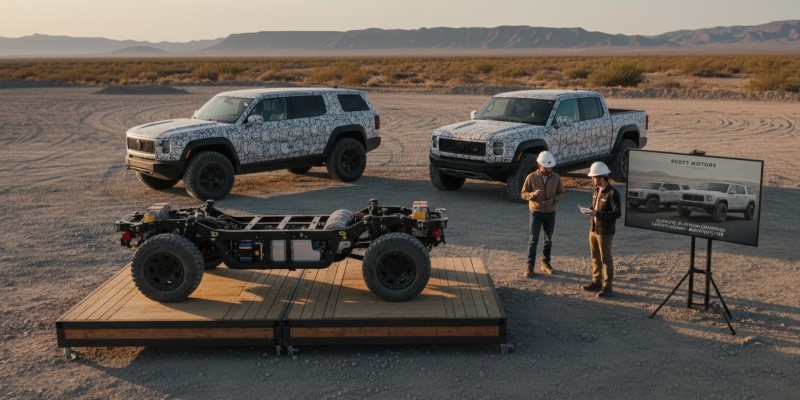
    As the revived Scout Motors marches toward full-scale production, the brand has finalized a key component partnership that moves its engineering efforts forward. Scout confirmed that its ladder frames-the structural backbone of its future electric SUV and pickup truck-will be sourced from a new joint venture between Sodecia and Aapico.

    Scout confirms ladder-frame platform for upcoming electric SUV and pickup production.
    Scout confirms ladder-frame platform for upcoming electric SUV and pickup production.

    The venture will build a 400,000-square-foot manufacturing facility in Orangeburg, South Carolina, backed by a $120 million investment and expected to create 392 new jobs. For Scout, the ladder frame is essential: it’s a signal that the company is committed to developing rugged, capability-focused EVs designed to tackle real off-road use-not just urban commuting.

    With prototypes already in testing and production set to begin next year, Scout is positioning itself as a serious player in the electrified adventure-vehicle segment.

    A Manual Acura NSX Restomod Debuts – and Enthusiasts Are Split

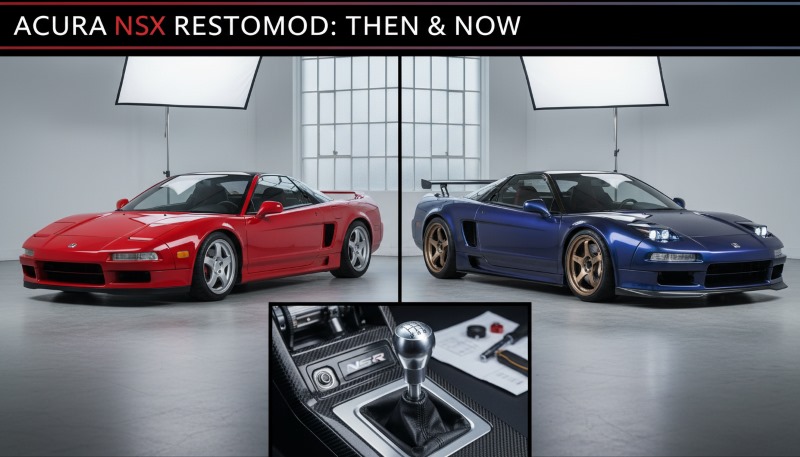
    In one of the week’s most polarizing debuts, a fully reimagined manual Acura NSX restomod-developed through a collaboration between Pininfarina and JAS Motorsport-was unveiled in Japan.

    The restomod combines design cues from the original NSX with new aerodynamic surfaces and a reengineered chassis, but the response from fans has been mixed. Purists question some of the stylistic changes, while others applaud the bold modernization of one of the most iconic Japanese sports cars ever built.

    Manual Acura NSX restomod blends classic Japanese performance with modern engineering.
    Manual Acura NSX restomod blends classic Japanese performance with modern engineering.

    Regardless of reception, the project highlights a broader industry trend: restomods have moved beyond American muscle into high-end Japanese performance icons, signaling a shift in collector priorities.

    The 2026 Ford Mustang Mach-E Gets Quiet Upgrades (Including a Fix Kids Will Love)

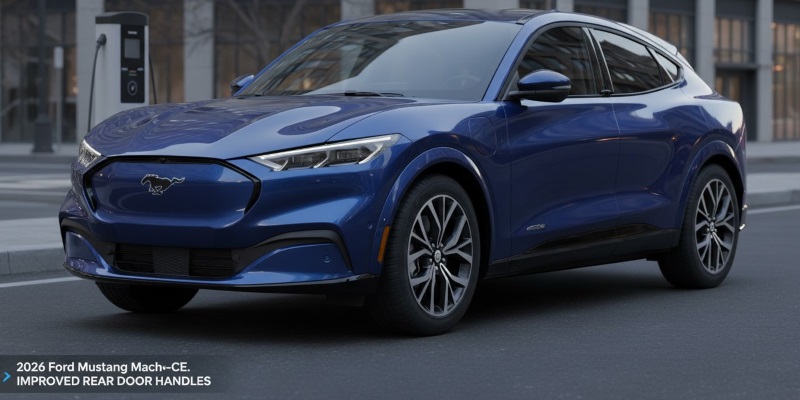
    Ford quietly rolled out updates to the 2026 Mustang Mach-E, and while the refresh didn’t come with a big announcement, owners-and especially passengers-will appreciate at least one change: new rear door grab handles.

    This seemingly small update answers a common complaint from families, particularly children who struggled with the old handle placement. The updated model also features minor styling tweaks and interior refinements as Ford continues to position the Mach-E as a cornerstone of its EV lineup.

    The understated refresh aligns with Ford’s broader shift toward continuous improvement rather than waiting for major mid-cycle overhauls.

    2026 Ford Mustang Mach-E receives subtle updates including improved rear door handles.
    2026 Ford Mustang Mach-E receives subtle updates including improved rear door handles.

    What These Headlines Reveal About the Auto Industry’s Direction

    Today’s news cycle highlights several key trends shaping both the short-term and long-term future of the automotive world:

    1. Software Reliability Is Becoming a Core Safety Issue

    As more vehicles move to fully digital dashboards, software bugs now pose risks traditionally associated with mechanical failures.

    2. EV Brands Are Using Design and Personalization to Stand Out

    Colors like Rivian’s Borealis and concept teasers from Kia signal a competitive pivot toward style as EVs become more functionally similar.

    3. The Next Wave of EVs Will Embrace Ruggedness, Not Just Efficiency

    Scout’s ladder-frame EVs and off-road-capable electric SUVs represent a shift toward electrifying enthusiast segments.

    4. Heritage Models Are Evolving Through High-End Restomods

    The manual NSX shows that automotive nostalgia is entering a new, premium-reconstruction phase.

    5. Automakers Are Prioritizing Incremental, Customer-Driven Improvements

    The Mach-E’s updated rear door handles reflect an industry adapting faster to real-world feedback.

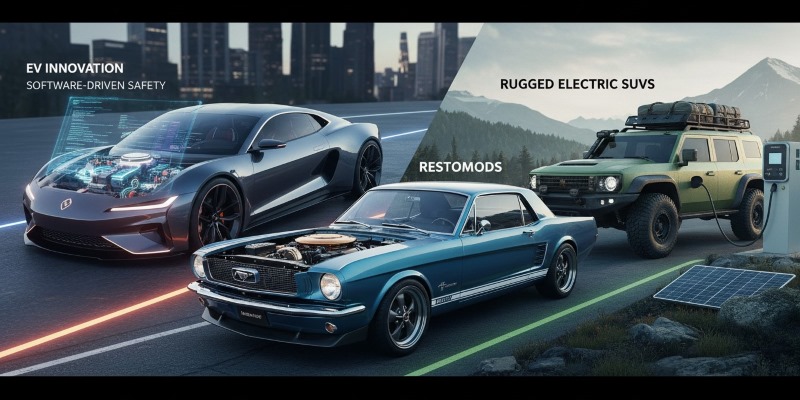
    Key automotive industry trends shaping 2026, from EV innovation and software-driven safety to restomods and rugged electric SUVs.
    Key automotive industry trends shaping 2026, from EV innovation and software-driven safety to restomods and rugged electric SUVs.

    The automotive world is evolving faster than ever-electrification, digital integrations, mobility platforms, and design reinventions are redefining how brands position themselves in a competitive landscape. Whether it’s a major recall impacting tens of thousands of truck owners or subtle improvements to a mainstream EV, every headline today paints a fuller picture of where the industry is headed.

    And as always, The Downshift will be here every morning to break it all down with clarity, accuracy, and a journalist’s eye for what truly matters.

  • The Case Against Triple-Axle Trailers: Why Two May Be Enough

    The Case Against Triple-Axle Trailers: Why Two May Be Enough

    For anyone involved in towing, the assumption has long been that more trailer axles automatically means better performance. After all, specialized haulers carrying enormous loads often come with more axles than a rodeo parking lot. But towing experts are challenging this conventional wisdom, suggesting that in many cases, a well-built tandem-axle trailer can outperform its triple-axle counterpart.

    Tandem vs. Triple: The Towing Debate

    Randy Stamper, founder of Hart Trailer, has spent decades working on trailer design and heavy-duty towing solutions. According to Stamper, the triple-axle trailer myth—the belief that more axles always mean better stability or capacity is just that: a myth.

    “We don’t want to dismiss what people want,” Stamper explains, “but we feel a responsibility to design trailers that are safest and most efficient for the load and the driver.”

    Hart Trailer, a company known for robust heavy-duty tandem trailers, has taken this philosophy to heart: they refuse to build triple-axle trailers, despite frequent requests from customers. Instead, Stamper uses educational content, including detailed YouTube walkthroughs, to illustrate why two axles are often superior to three.

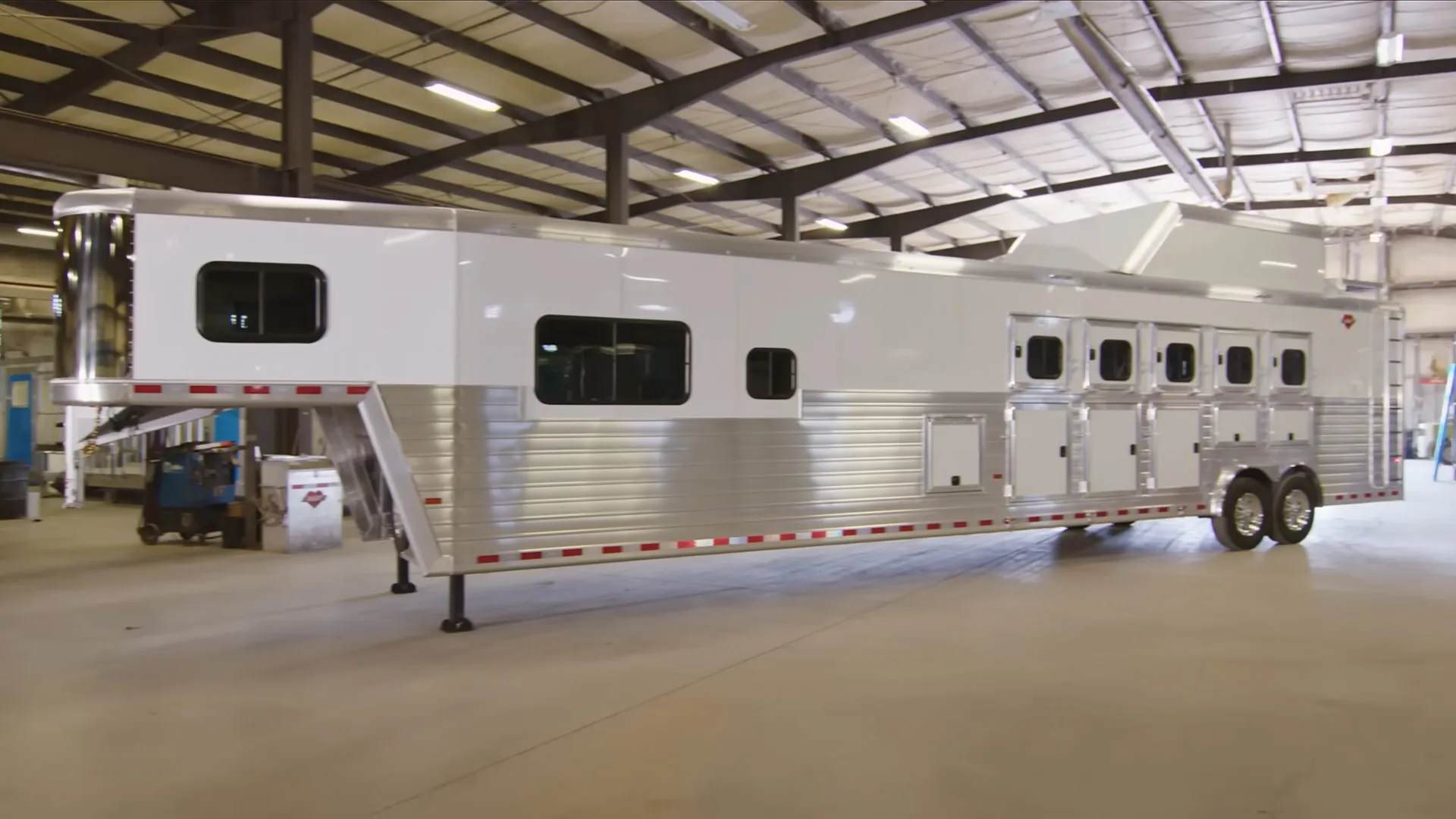
    Side-by-side comparison of tandem-axle and triple-axle trailers in real-world towing conditions.
    Side-by-side comparison of tandem-axle and triple-axle trailers in real-world towing conditions.

    Understanding Axle Ratings and Component Strength

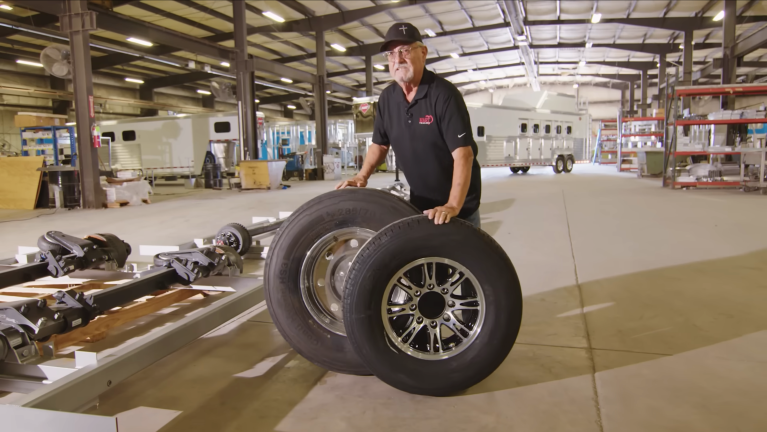
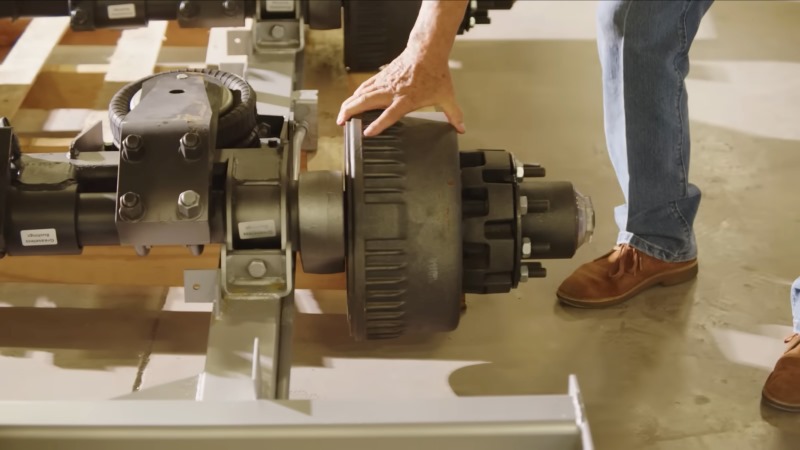
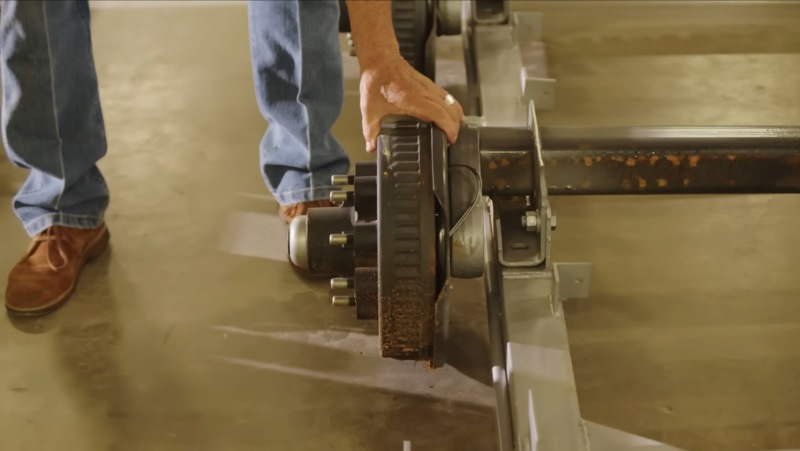
    One key factor is axle and wheel sizing. Hart Trailer’s tandem designs use 7,000- and 8,000-pound axles with 16-inch wheels, as well as 10,000- and 12,000-pound axles with 17.5- and 19.5-inch wheels, respectively. The differences in axle strength, tire capacity, hubs, and brakes are significant.

    Even though it is technically possible to mount larger tires on smaller axles, the braking capacity is inherently limited. For example, a 12,000-pound axle with 19.5-inch wheels supports much larger tires, bigger brakes, and stronger hubs compared to a 7,000-pound axle with 16-inch wheels, allowing for safer towing under heavy loads.

    “Bigger axles aren’t just about load capacity,” Stamper notes. “They provide better braking, better hub durability, and a longer lifespan for the tires themselves.”

    This means that two properly rated axles can outperform three smaller axles, even if the gross vehicle weight rating (GVWR) is technically similar.

    Heavy-duty tandem-axle trailer equipped with high-capacity axles and larger wheels for improved braking.
    Heavy-duty tandem-axle trailer equipped with high-capacity axles and larger wheels for improved braking.

    The Pivot Problem: How Triple Axles Can Cause Wear

    Beyond axle ratings, there’s a more subtle issue with triple-axle trailers: pivot points. A triple-axle trailer pivots around the middle axle, which causes the other two axles to drag during turns. Over time, this leads to excessive tire wear, spindle stress, and uneven load distribution.

    Tandem-axle trailers, by contrast, avoid this problem. Both axles share the load evenly and pivot more naturally with the trailer frame. As Stamper emphasizes:

    “Two axles are better than three axles any way you configure it.”

    This principle has practical implications for frequent haulers, commercial towing operators, and recreational users alike, reducing long-term maintenance costs while improving safety and stability.

    Triple-axle trailer turning sharply, illustrating pivot drag and uneven tire wear.
    Triple-axle trailer turning sharply, illustrating pivot drag and uneven tire wear.

    Why Tandem Axles Often Make More Sense

    There are several practical and long-term advantages to choosing tandem-axle trailers over triple-axle setups, particularly when considering everyday usability, maintenance costs, towing efficiency, and overall performance in real-world driving conditions:

    1. Better Tire Longevity: Fewer axles mean less uneven wear during tight turns, reducing the frequency of tire replacement.
    2. Simplified Maintenance: With fewer components, braking, hubs, and spindles require less ongoing maintenance.
    3. Lower Weight: Fewer axles reduce overall trailer weight, improving fuel efficiency and making the trailer easier to tow with standard pickup trucks.
    4. Cost Efficiency: Fewer axles translate to lower manufacturing costs and lower replacement part costs.
    5. Improved Handling: Tandem axles offer more predictable handling, especially for lighter trailers where triple axles can introduce unnecessary drag and instability.

    Even though triple-axle trailers may appear more capable at first glance, these advantages make tandem axles a smarter choice for most towing scenarios.

    Real World Implications for Hauling and Towing

    Consider a trailer rated for a 12,000-pound GVWR. Using two 12,000-pound axles provides not only adequate load support but also superior braking, better tire choices, and longer hub life. In contrast, three 8,000-pound axles may match the weight rating but fall short in braking performance and wear resistance.

    For anyone towing boats, RVs, livestock, or heavy equipment, these differences can have major safety and financial consequences. Tandem-axle trailers are also easier to maneuver in tight spaces, an often-overlooked advantage for rural properties, marinas, and construction sites.

    What This Means for Trailer Buyers

    If you’re considering purchasing a trailer, it’s worth evaluating axle quality over quantity. Stamper’s guidance is clear: load capacity, brake strength, and pivot design are more important than simply counting axles.

    Before investing in a triple-axle trailer, consider:

    • Are the individual axles rated high enough for your load?
    • Will the triple-axle setup increase tire and spindle wear unnecessarily?
    • Are you towing in tight spaces where triple axles could reduce maneuverability?
    • How will maintenance and replacement costs differ between tandem and triple setups?

    Many first-time trailer buyers assume that “more is better,” but understanding these engineering and safety considerations can save money and improve towing performance.

    Conclusion: Smarter Towing Starts with Smart Axles

    The argument for triple-axle trailers often relies on assumptions rather than practical experience. While more axles can theoretically distribute weight better, they introduce issues with pivoting, braking, and long-term wear. In contrast, a well-designed tandem-axle trailer with properly rated components provides better handling, improved braking, longer tire life, and lower maintenance costs.

    As Randy Stamper and Hart Trailer demonstrate, “two is often better than three” when it comes to trailer axles. For heavy-duty towing, RV hauling, and commercial transport, this principle can lead to safer, more efficient, and more cost-effective towing.

    Next time you consider adding an extra axle, remember: quality and engineering matter more than quantity. A strong, well-built tandem trailer could outperform a triple-axle setup in almost every practical scenario.

  • 2026 Jeep Wrangler 392 V8 Sees $20,000 Price Drop, Making Hemis More Accessible

    2026 Jeep Wrangler 392 V8 Sees $20,000 Price Drop, Making Hemis More Accessible

    Jeep enthusiasts have reason to celebrate: the 2026 Jeep Wrangler 392 V8 will cost significantly less than its predecessor. Over the past few years, the Wrangler Rubicon 392 saw its price soar by roughly $25,000, creating a barrier for fans eager to experience the off-road power of a big V8 in a Jeep SUV. Now, Jeep is lowering the entry point for the 2026 model year.

    The upcoming Jeep Moab 392 is expected to be about $20,000 cheaper than the 2025 Rubicon 392, which had a starting price of $101,990. Jeep CEO Bob Broderdorf explained that the brand adjusted standard equipment to reduce costs while still delivering the 6.4-liter Wrangler 392 V8 to more enthusiasts. “[We] don’t want to hold engines hostage,” Broderdorf told journalists during a briefing.

    Timing also played a role in this strategic pricing. Broderdorf highlighted industry shifts, including EV incentives, tariffs, and market movements, as key factors in pricing adjustments. Previously, limited editions and “Last Call” Wranglers marked moments when V8s were scarce or thought to be discontinued. Now, with V8 engines firmly back in Stellantis’ focus, Jeep aims to bring these engines to a broader audience.

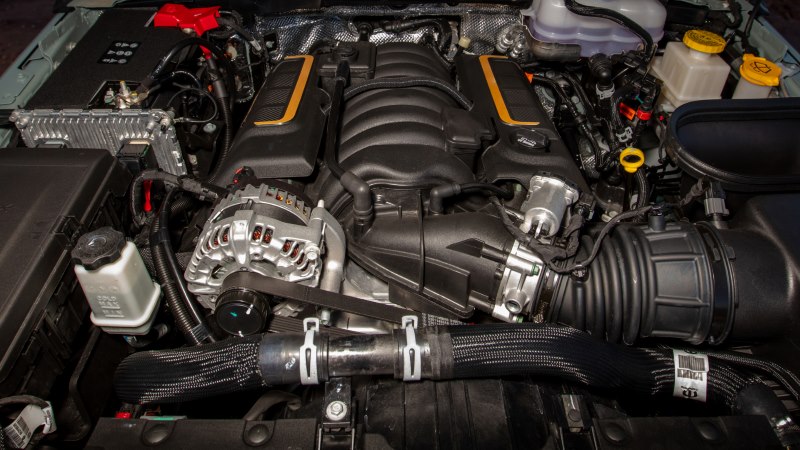
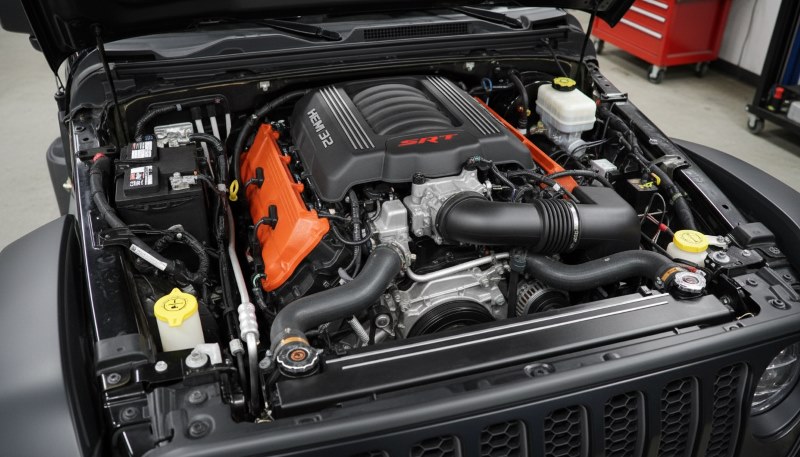
    The 2026 Jeep Wrangler 392 V8 returns with a $20,000 price drop, bringing 6.4-liter HEMI power back to off-road enthusiasts at a more accessible price point.
    The 2026 Jeep Wrangler 392 V8 returns with a $20,000 price drop, bringing 6.4-liter HEMI power back to off-road enthusiasts at a more accessible price point.

    The Wrangler 392 Commando, prepared in collaboration with Fox Factory Vehicles, will launch at roughly $30,000 below the 2025 Rubicon 392 with the same engine. This positions the 2026 Jeep Wrangler 392 V8 as one of the most compelling off-road SUVs on the market for fans seeking raw power without the previous six-figure barrier.

    For Hemis and Jeep loyalists, this move means you can again get a Wrangler with a 6.4-liter V8 for around $80,000 before dealer markups. While early buyers of the 2025 Rubicon 392 might feel a bit frustrated, the broader market now has access to Jeep’s high-performance V8 SUVs at a more attainable price.